EN
EN

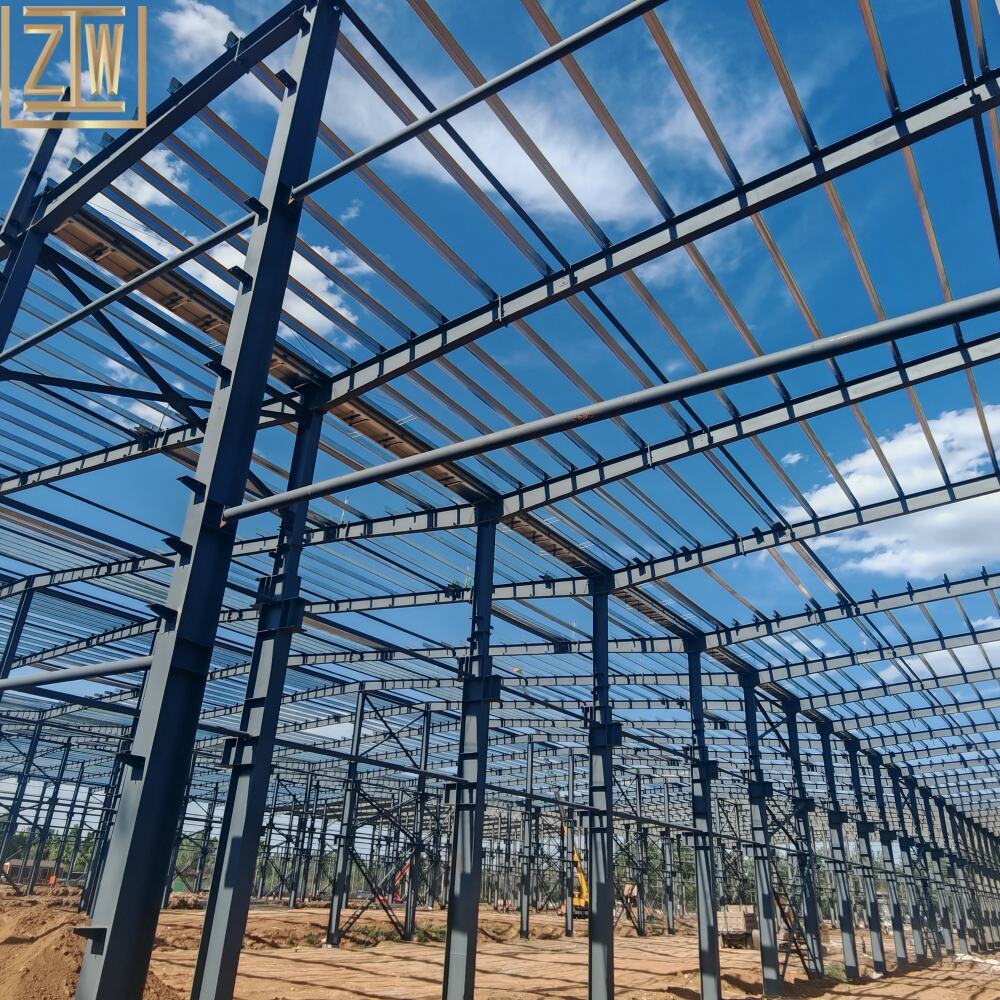
Core Customization Options for Your Prefab Workshop
The foundation of a functional prefab workshop lies in tailoring its structure to your operational workflow. Unlike traditional construction, prefabricated designs offer unparalleled adaptability—enabling precise spatial configurations that eliminate wasted movement between tools, storage, and assembly areas.
Layout Flexibility and Functional Interior Design for Workflow Efficiency
Strategic interior planning directly impacts productivity. Consider these critical adjustments:
- Zoning: Separate high-dust machinery (e.g., sanding stations) from clean assembly areas
- Ergonomic Flow: Position heavy equipment near loading doors with 360° access clearance
-
Modular Walls: Use non-load-bearing partitions to reconfigure spaces as needs evolve
Optimized layouts reduce retrieval time by 30% and minimize cross-traffic accidents, according to industry studies on industrial workspace efficiency.
Workshop-Specific Features: Reinforced Floors, Mezzanines, HVAC Zones, and Electrical Integration
Demanding environments require engineered solutions:
| Feature | Performance Impact |
|---|---|
| Reinforced Floors | Support 10,000+ lb equipment loads (25% thicker than standard garage slabs) |
| Structural Mezzanines | Add 40–60% storage without expanding footprint |
| Zoned HVAC | Maintain stable temperatures (±2°F) in finishing areas while reducing energy use |
Integrated electrical systems with dedicated 220V circuits eliminate extension cord hazards, while built-in dust-collection ducting preserves air quality. Properly implemented, these features reduce operational downtime by up to 22% annually.
Material Selection and Build Quality for Long-Term Prefab Workshop Performance
High-Grade Steel (Galvanized, 14-Gauge+) and Climate-Resilient Coatings
When talking about structural strength, nothing beats good quality steel. For serious applications, go with at least 14 gauge galvanized steel frames. The zinc coating really helps stop rust problems, especially important if the workshop is near saltwater or in damp areas. But this goes beyond just avoiding rust issues. We're talking about something that can actually hold up under weight for years on end. Many manufacturers now apply advanced powder coatings too. These coatings reflect UV rays and handle temperature changes better, so the metal doesn't warp as much as those cheap substitutes do. Think about workshops where big machines are running all day long, or places storing flammable stuff. Those environments need real durability. Thin gauge steel just won't cut it there. It tends to wear out faster and creates dangerous situations when subjected to constant pressure over time.
Insulation Systems and R-Values Optimized for Workshop Comfort and Energy Efficiency
Keeping temperatures stable really affects how productive people can be and what it costs to run operations. Insulation matters a lot, so look for products with good R-values around R-15 up to R-30 or better depending on where the building is located. Closed cell spray foam works well for sealing those gaps between walls, and putting rigid boards underneath floors stops cold coming up from the ground. When done right, these insulation methods cut down on how much the heating and cooling systems need to run, maybe cutting usage time by anywhere from a third to almost half. That helps keep things at a steady temperature important for machines that are sensitive to changes, such as 3D printers or wood working shops. Don't forget about vapor barriers either since they stop moisture buildup that leads to mold growth, something nobody wants floating around in an enclosed workspace.
Strategic Design Decisions That Future-Proof Your Prefab Workshop
Doors, Windows, and Natural Light Planning for Safety, Ventilation, and Scalability
Where we put doors and windows makes all the difference in turning prefabricated workshops into something that lasts for years. Big roll up doors let machinery move in and out quickly without bumping into anything, while proper ventilation stops dangerous fumes from building up inside. When thinking about expanding later on, it's smart to install those extra large doorways on the side where new sections might go. This means adding another module down the road won't require tearing things apart. Don't forget about natural light either. According to some recent industry data, having around 30 percent of walls as windows can slash electricity bills for lighting by almost 20 percent. Putting skylights or high windows near where people actually work really helps everyone see better and feel good about their space too. All these little decisions when designing matter because they affect how well the workshop functions day after day.
- Mitigate accident risks through optimized traffic flow
- Eliminate mechanical ventilation dependency in temperate zones
- Enable cost-effective square footage increases when production scales
- Ensure compliance with evolving workplace safety regulations
This forward-looking approach balances immediate operational needs with decades of functional resilience.
FAQ
What is the benefit of using prefab workshops over traditional construction?
Prefab workshops offer unparalleled adaptability and precise spatial configurations, eliminating wasted movement between tools, storage, and assembly areas.
Why is insulation important in prefab workshops?
Insulation helps in maintaining stable temperatures which affect productivity and operational costs. High R-value insulation systems can make heating and cooling more efficient.
How can layout flexibility enhance workflow efficiency?
A flexible layout can minimize retrieval times, reduce cross-traffic, and improve overall operational efficiency by arranging equipment and zones strategically.
What materials should be used for building a durable prefab workshop?
High-grade galvanized steel (at least 14 gauge) with climate-resilient coatings should be used for long-term durability, especially in harsh environments.
How can natural light and ventilation affect a workshop's functionality?
Proper placement of doors, windows, and skylights can enhance ventilation, reduce lighting costs, and improve workplace comfort and safety.