EN
EN

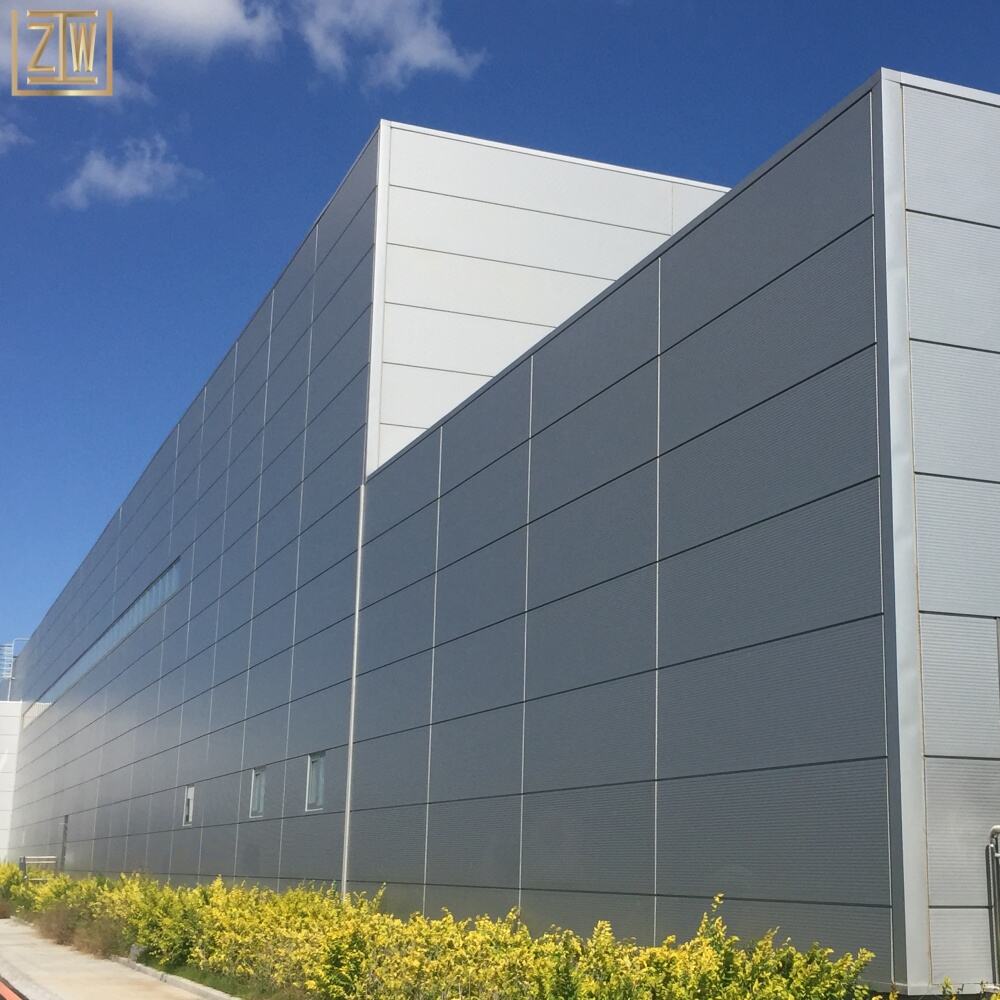
Faster Deployment and Lower Total Cost of Ownership for Logistics Networks
40–60% Shorter Construction Timelines Enable Rapid Market Entry and Seasonal Scaling
Warehouse systems made in factories can slash setup time by around 60% when compared to building from scratch. This means companies get their facilities up and running much faster, which is huge for logistics firms needing to expand quickly during busy seasons or when opening new distribution centers. Since these parts are manufactured indoors, there's no waiting around for bad weather or dealing with crowded construction sites. The components are designed so they fit together easily on location with minimal mistakes. The speed advantage also means less money tied up sitting idle while buildings go up. Retailers and product makers benefit because they can adapt their operations as supply chains change without getting stuck with empty warehouses or overstocked inventory problems.
Predictable Budgeting: How Prefabricated Warehouse Projects Reduce Labor, Waste, and Financing Costs
Most traditional warehouse projects end up costing about 50% more than planned because of problems finding enough workers and all the wasted materials (this comes from the Ponemon Institute report from 2023). Prefab solutions help tackle these issues though. Standardized parts mean we need around 30% fewer people working onsite, there's less need to fix mistakes later, and overall waste drops somewhere between 15 to maybe 20%. The time it takes to complete these projects gets shortened too, sometimes cutting down the schedule by as much as half. That makes a real difference when looking at financing costs since typical warehouse loans run around $740,000 on average. When using fixed price contracts with prefab components, businesses can expect nearly perfect cost control most of the time. This frees up money that would otherwise go into emergency funds for things like upgrading automation systems or expanding inventory rather than just sitting around waiting for unexpected expenses.
Engineered Durability and Scalable Design for Evolving Logistics Infrastructure
Clear-Span Flexibility and Vertical Capacity: Supporting High-Bay Racking and Future-Proof Expansion
Clear span designs remove those pesky interior columns, giving businesses floor space that can stretch over 100 meters wide. The result? High bay racking systems that go up to around 30 meters tall, which means we're seeing about a 40% boost in storage capacity compared to traditional buildings according to recent warehouse efficiency reports from early 2024. With modular construction methods, companies can expand their facilities piece by piece as needed without shutting down operations completely. And the reinforced structural systems let warehouses safely increase their vertical dimensions by roughly 15 to 20 percent when business grows. All these advantages mean facilities become much more flexible with how they use land, able to handle changing product mixes, integrate automated systems smoothly, and keep growing alongside business needs without major rebuilds down the road.
Resilience Against Environmental and Operational Stressors: Fire, Wind, Seismic Loads, and Corrosion Resistance
Galvanized steel frames make up prefabricated warehouses that can handle winds exceeding 150 miles per hour plus earthquakes in Zone 4 areas. These buildings come with fire resistant coatings that protect against flames for anywhere between two to four hours straight. For places where humidity runs high, special corrosion resistant metals keep the whole structure intact without rust issues. According to a recent study on industrial facilities from 2023, these advanced coatings actually save around sixty percent on maintenance expenses compared to regular old buildings. What really stands out though is how the entire structural design spreads out the weight from all that heavy machinery and packed storage space across the whole building frame. This prevents weak spots from forming over time and means these warehouses typically last well past fifty years with hardly any need for repairs or interruptions to operations.
Built-In Operational Readiness for Automation and High-Density Logistics Workflows
Heavy-Duty Load-Bearing Floors and Structural Integration for AS/RS, Cranes, and Autonomous Mobile Robots
The reinforced concrete floors found in today's prefabricated warehouses can handle point loads well over 2,000 kg per square meter, which means they support things like AS/RS systems, overhead cranes, and those autonomous mobile robots without needing any extra work after construction. Steel frames come with built-in mounting spots that let companies install their automation gear quickly and without tools, cutting down on setup expenses compared to older warehouse designs by around 30 percent give or take. The way these floors distribute weight so consistently helps prevent settling issues over time, keeping AMRs and other high precision logistics equipment running accurately even as months turn into years.
Seamless Compatibility with Smart Logistics Systems: Power, Data, and HVAC Integration in Prefabricated Warehouse Modules
The utility systems get built right into the structural components these days. Think about things like special power lines that can handle heavy electrical loads for robot stations, fiber optic cables running through for instant warehouse management system updates, and air conditioning ducts woven into areas where machines need stable temperatures. Having all this infrastructure already in place when construction starts saves roughly a third of the time normally spent on utilities. Plus it keeps sensitive electronic equipment working properly in their environment. And best of all, facilities can grow and change over time without needing expensive upgrades later on or shutting down operations during installations.
FAQ
What are the main benefits of prefabricated warehouse systems?
Prefabricated warehouse systems offer faster deployment, lower construction costs, reduced labor needs, and scalability. They also provide flexibility in layout and expansion, and are durable against various environmental conditions.
How do prefabricated systems affect budget and financing?
By reducing labor and material waste, prefabricated systems help keep costs lower and more predictable, freeing up financial resources for other operational improvements.
What kind of structural advantages do prefabricated warehouses provide?
They offer clear-span flexibility, vertical capacity increases, and strong resilience against environmental stressors like fire, wind, and seismic loads.
How do prefabricated warehouses support automation and high-density logistics?
They include reinforced floors and structural elements that support advanced automation equipment, ensuring seamless integration with logistics systems and reducing setup costs.