EN
EN

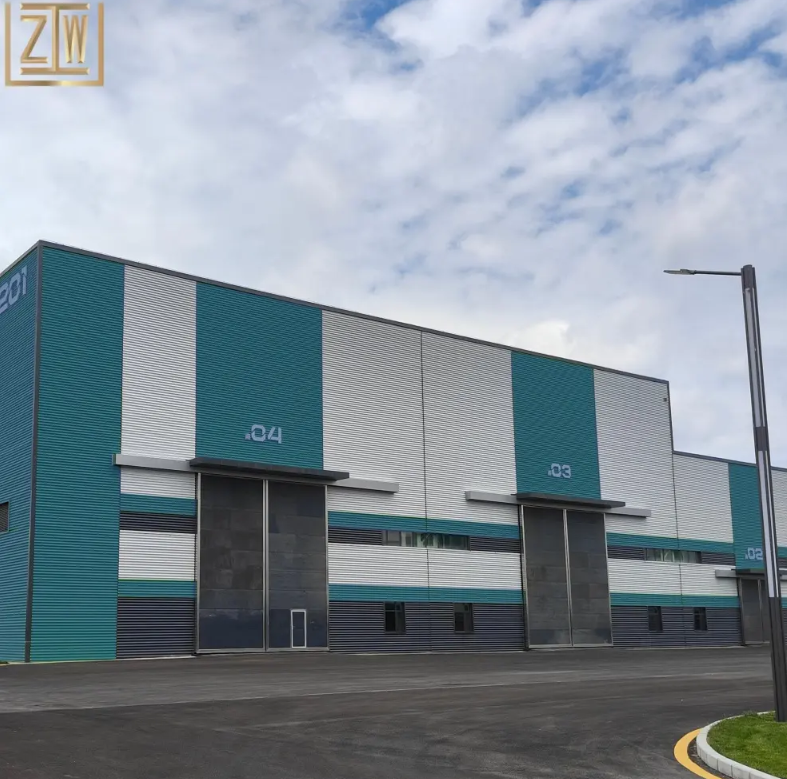
Typical Installation Timeline for a Steel Structure Warehouse
Pre-engineered vs. custom steel structure warehouse erection durations
Steel warehouses built with pre-engineered systems use standard parts made at factories, which cuts down installation time dramatically. Most of these structures go up in just 2 to 8 weeks, while custom built ones take anywhere from 3 to 6 months to complete. The reason for this speed boost? Less welding needed on site, those handy pre-drilled holes for connections, and better organized delivery schedules. When companies opt for completely custom designs though, things get complicated fast. These projects require lots of back and forth engineering changes, special manufacturing processes, and intricate step-by-step assembly work. Especially tricky when dealing with odd shapes or buildings with multiple floors stacked on top of each other.
| Project Type | Complexity Level | Average Erection Timeline |
|---|---|---|
| Pre-engineered Warehouse | Low (Standardized) | 2–8 weeks |
| Hybrid Design | Moderate | 6–12 weeks |
| Fully Custom Warehouse | High (Bespoke) | 3–6 months |
From fabrication completion to on-site assembly completion: Real-world benchmarks
After all the parts are fabricated, most 10,000 square foot pre-engineered steel warehouses become watertight in around 3 to 5 weeks give or take, depending largely on how skilled the crew is and what kind of site they're working on. Basic storage buildings usually get their frames together in about a month flat. But when we talk about bigger operations like distribution centers that need mezzanine floors or special climate control systems, those tend to take anywhere from 2 to 4 months to put together. The timeline really hinges on several key things first off, the concrete foundation needs time to cure properly which takes between 7 and 14 days at minimum. Then there's getting cranes on site and dealing with rain delays nobody likes waiting for bad weather, and each day it rains can eat up nearly three full days of work. Smart contractors manage to shave time off by delivering components in sequence and doing mechanical work while other parts go up. Still, city inspectors can throw a wrench in things too, sometimes causing delays of 1 to 3 weeks based on local regulations and how busy the inspector happens to be.
Why Prefabrication Accelerates Steel Structure Warehouse Installation
Standardized components, off-site manufacturing, and just-in-time delivery
Steel warehouses get built much faster when using prefabricated parts thanks to several efficiency factors working together. For starters, all those standard components mean no more wasting time measuring things onsite or dealing with fitting problems later. The beams, columns, panels everything just shows up already cut to size within about 2 millimeters accuracy. Then there's the fact that making stuff in factories instead of outdoors means bad weather doesn't stop work progress at all. Rainy days? Snowstorms? Heatwaves? None of it matters because production keeps going inside climate-controlled facilities. And speaking of timing, materials arrive exactly when needed for assembly, so we don't have to store extra inventory onsite or move things around twice. Real world tests show these methods can shave anywhere from 30 to almost half the time normally required for building foundations to roof completion. Plus companies often start clearing land and preparing sites even before fabrication begins back at the plant, which helps squeeze out even more time savings. Warehouses become operational in weeks instead of months now, which makes a huge difference for businesses needing space quickly.
Key Factors That Delay or Expedite Steel Structure Warehouse Installation
Site readiness, weather, labor availability, and permitting timelines
Several key elements tend to affect construction schedules on a regular basis. When sites aren't properly prepared, problems like uneven terrain or drainage issues can eat up anywhere from one to three weeks just fixing things up before work can really start. According to recent industry data, weather conditions cause roughly 20% of all construction delays these days. Strong gusts stop cranes from operating safely, while rainy days put a hold on pouring concrete until surfaces dry out. Finding enough skilled labor remains another major challenge, especially when it comes to specialized teams needed for bolting tasks in busy construction zones. Getting permits also takes different amounts of time depending on location. Big city projects typically wait between eight and twelve weeks for approval, whereas similar requests in rural areas usually get processed within four to six weeks. Smart project leaders combat these common setbacks by investing in temporary shelters against bad weather and building relationships with local inspection officials ahead of time.
Design complexity, connection methods (e.g., high-strength bolting), and customization level
Simplified designs with standardized components cut installation time by 30–45% versus custom structures. Buildings requiring welded connections demand 50% more on-site labor hours than those using high-strength bolted systems.
| Complexity Factor | Expedited Timeline Impact | Delayed Timeline Impact |
|---|---|---|
| Standardized framing | 2–3 week assembly | — |
| Custom mezzanines/insulation | — | Adds 3–5 weeks |
| Basic bolted connections | 1 week per 10,000 sq ft | — |
| Hybrid welding/bolting | — | Adds 2 weeks per 5,000 sq ft |
Data reflects averages across 142 North American projects (Industrial Construction Review 2023)
Minimalist designs using pre-punched holes and slotted connections support bolt-and-go assembly. In contrast, architectural elements like curved cantilevers require iterative field fittings. Every non-standard component triggers additional fabrication verification—adding 48–72 hours per specialty element.
Efficient On-Site Execution: Techniques for Faster Steel Structure Warehouse Installation
Getting on-site operations running smoothly makes a big difference when trying to speed up installation times. When we follow a systematic approach - starting with columns, then moving on to beams, roof trusses, and finally adding the necessary bracing - teams can work in parallel rather than sequentially. This method typically saves around 30 to 40 percent in labor hours compared to those chaotic, haphazard setups many still use. The introduction of mechanized hoisting gear really changes things too. According to what various industry reports show, construction sites that employ cranes need about 40% fewer workers overall. What's even better? Those mid-sized warehouse builds that used to take months can now be completed within just a few weeks. Prefab parts arrive at the site already prepared for assembly, so crews don't have to wait around for bad weather to pass before getting started. This practically eliminates those frustrating delays caused by rain or snow. And let's not forget about those advanced methods either. Using high strength bolts instead of doing all that time-consuming field welding, along with those detailed digital guides for assembly, helps avoid expensive mistakes down the line. These precision fits mean everything when keeping a project on track according to schedule.
FAQ
What is the typical timeline for installing a pre-engineered steel warehouse?
Pre-engineered steel warehouses can usually be installed within 2 to 8 weeks due to the standardized components and efficient delivery schedules.
How does prefabrication speed up the installation process?
Prefabrication speeds up the installation process by using standardized components fabricated off-site, reducing on-site fitting problems and minimizing the impacts of weather conditions.
What are the common delays faced during warehouse installation?
Common delays can include site readiness issues, bad weather conditions, labor shortages, and permitting timelines, which vary depending on the location and complexity of the project.
How does design complexity affect the installation timeline?
Simplified designs with standardized components reduce installation time by 30–45%, while buildings requiring welded connections demand 50% more on-site labor hours.