EN
EN

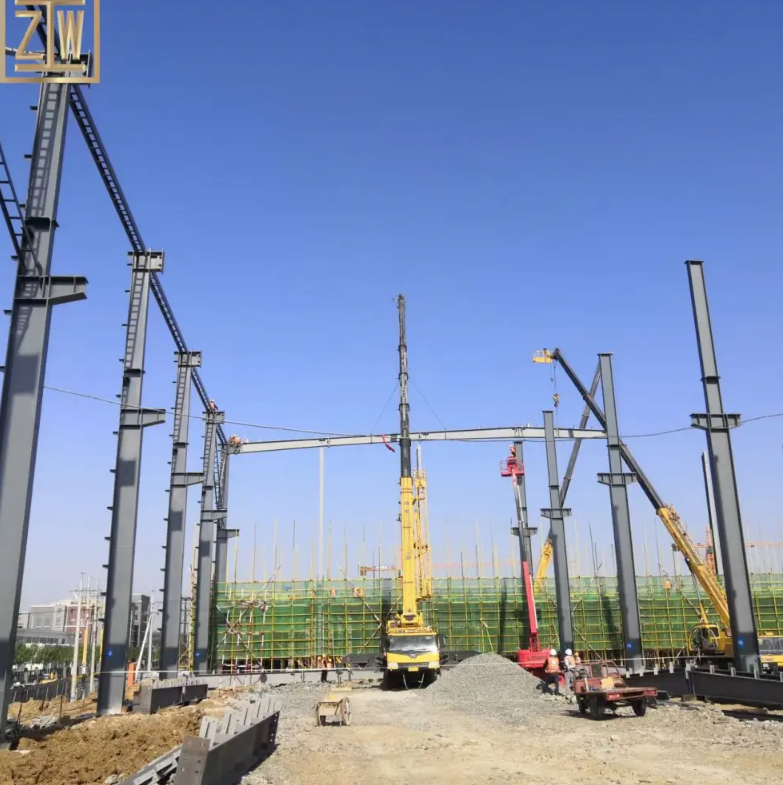
Structural Integrity and Load Capacity of Steel Structure Warehouses
Evaluating Load-Bearing Limits and Redundancy in Steel Frameworks
When figuring out how much weight structures can actually hold, engineers look at several factors. There's the constant weight of the building itself (what they call dead load), plus whatever gets placed inside later on like furniture or machinery (the live load). Environmental pressures also play a role, from earthquakes shaking things around to strong winds pushing against walls. For critical applications, many turn to high quality steel that can handle stresses above 345 MPa. This material offers built-in protection because when something unexpected happens to part of the structure, the connected beams and columns work together to spread out the pressure before anything breaks completely. The numbers back this up too. Computer models test all sorts of scenarios including heavy items stacked unevenly, off-center weights, and sudden shocks. These tests show safety levels often beat what regulations require by anywhere between a quarter to almost half, giving designers extra confidence in their calculations.
Verifying Anchoring, Bracing, and Connection Systems
Engineers test bolted and welded connections without damaging them to make sure forces spread evenly throughout the whole structure. The really important joints are built with special designs that can handle sudden stress changes caused by things like forklifts hitting them or strong winds blowing against the structure. When it comes to keeping everything stable, galvanized anchors are placed deep inside reinforced concrete bases so they won't shift sideways. For taller storage setups where twisting might be a problem, diagonal supports help reduce rotational forces. Outside experts come twice a year to check how tight all those bolts are. And thanks to protective coatings that resist rust and chemical damage, most parts last well over fifteen years even when exposed to moisture or harsh environments.
Regulatory Compliance and Certification for Steel Structure Warehouses
Meeting OSHA, ANSI MH16.1, and RMI Standards
When designing steel warehouses, OSHA rules aren't optional they're absolute must-haves covering things like how much weight structures can hold, fire safety measures, and safe ways workers can move around inside. Warehouse plans also need to follow ANSI MH16.1 guidelines which deal with equipment movement through spaces, plus meet RMI standards for earthquake resistance in certain areas. The cost of getting this wrong isn't just structural problems either. According to research from Ponemon Institute back in 2023, companies facing violations could end up paying over seven hundred forty thousand dollars each time something goes south. That's why smart designers build these regulatory requirements right into their initial blueprints instead of trying to fix them later when it becomes expensive and time consuming. Most seasoned engineers know from experience that starting with compliance saves headaches down the road while keeping operations running smoothly from day one.
Maintaining Audit-Ready Documentation and Third-Party Certifications
Keeping good records is essential for operators working with materials, weld inspections, and load tests. These documents create an audit trail that regulators and insurers can check when needed. Getting third party validation like ISO 9001 certification really boosts confidence in quality control processes. Companies that have this certification tend to run their operations better. Studies show certified manufacturers actually produce fewer defects than those without certification, sometimes cutting problems down by around 24%. The annual process of getting re-certified helps keep things moving forward and makes sure everyone stays compliant over time.
Hazard Mitigation Strategies Specific to Steel Structure Warehouses
Preventing Tipover, Shelf Collapse, and Dynamic Load Failures
Overloading is the leading cause of rack failures—responsible for 42% of warehouse incidents (Rack Manufacturers Institute, 2023). Effective mitigation includes:
- Designing structural frames with 25–40% capacity above maximum operational loads
- Installing redundant cross-bracing at column junctions
- Conducting monthly dynamic load testing using simulated impact scenarios
- Enforcing strict weight-limit protocols with visible aisle markers
- Specifying seismic-grade bolt connections at all beam-to-column joints
Regular inspection cycles detect micro-fractures and deformation before they escalate. Supplemental forklift collision prevention systems—featuring automated speed control in narrow aisles—further reduce dynamic load risks.
Seismic and High-Wind Resilience in Warehouse Design
Earthquake-resistant designs rely on ductile moment frames that absorb lateral energy through controlled deformation. Wind-resistant configurations prioritize aerodynamic shaping and strategic bracing placement. Key engineering distinctions include:
| Resilience Factor | Seismic Design | High-Wind Design |
|---|---|---|
| Structural Focus | Ductile connections | Aerodynamic shaping |
| Foundation Requirement | Deep pile anchors | Weighted base plates |
| Cladding Attachment | Sliding joints | Continuous welded seams |
| Safety Margin | 1.5× expected PGA* | 130% regional wind speeds |
*PGA = Peak Ground Acceleration
Compliance with ASCE 7-22 ensures base shear calculations account for both hazards. Roof diaphragm continuity and wall reinforcement further guard against partial collapse during extreme events.
Fall Protection and Safe Access in Steel Structure Warehouses
Keeping workers safe when working at heights really needs a mix of different fall protection approaches. According to OSHA regulations, anyone doing work over six feet high must wear a full body harness connected to a lifeline system. For areas where people walk past edges or open spaces, installing guardrails or safety nets makes sense too. When companies think ahead about access points during building design, things get safer for everyone. Think about adding slip-resistant platforms, secure ladder systems, and putting up railings around places where maintenance happens regularly. Training matters a lot too. Workers need to know how to check their gear and put on harnesses correctly. A lot of accidents actually happen because folks don't use these systems right. Studies show something like 6 out of 10 falls occur when equipment isn't used properly. Companies that build safety into their designs from day one not only follow the rules but also protect their people better in the long run.
FAQ Section
What load capacities do steel structure warehouses typically need to support?
The load capacity of steel structure warehouses involves both dead load (weight of the building) and live load (contents inside). In critical applications, steel that withstands stresses above 345 MPa is often used, supporting loads that exceed regulated limits by 25% to 50%.
How are steel structure warehouses kept stable?
Stability in steel structure warehouses is ensured through bolted and welded connections. Engineers use special designs for critical joints, deep galvanized anchors within concrete bases, and diagonal supports for taller setups to mitigate rotational forces.
Why is compliance with OSHA and ANSI MH16.1 standards critical in steel warehouses?
Compliance prevents structural issues and costly regulatory violations which can exceed $740,000 in penalties. Designing with these standards in mind also ensures safer and more efficient warehouse operations.
What role does auditing and certification play?
Audit-ready documentation and certifications like ISO 9001 improve quality control and operation efficiency, reducing defect rates by up to 24%.