EN
EN

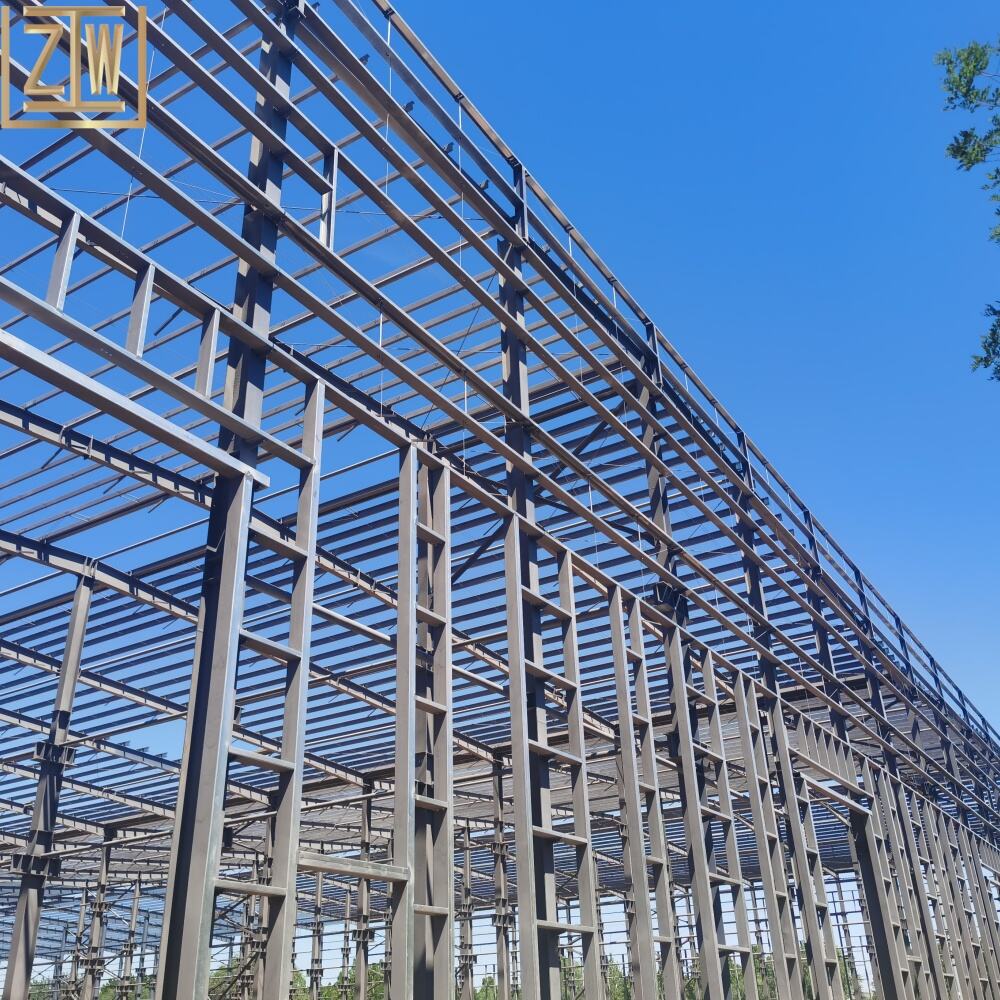
Unmatched Structural Strength and Space Efficiency
Clear-Span Design Eliminates Interior Columns for Flexible, High-Capacity Layouts
Steel warehouses offer remarkable flexibility thanks to clear span designs that get rid of those pesky interior support columns. Warehouse managers love this because it means they can set up dense storage racks, automate with AGVs, and install conveyor belts wherever needed without worrying about running into columns. When those columns disappear from the floor plan, facilities actually end up with around 25-30% extra usable space compared to traditional buildings. More space translates directly into better storage options and smoother movement of goods throughout the facility. Structural steel itself is pretty amazing stuff. It's strong enough to hold up huge spaces without any supports, even when dealing with heavy machinery overhead or in areas prone to earthquakes. And best part? Safety standards are still met without any issues.
Ultra-Wide Spans and Customizable Heights Maximize Vertical and Horizontal Utilization
Steel warehouses today can be built with ceiling heights well past 40 feet and open spaces stretching over 300 feet across, which lets businesses stack goods higher vertically while keeping things moving smoothly from side to side. The extra space means companies can install taller storage racks without worrying about narrow aisles that might violate safety regulations, something traditional buildings just cant match when they hit their height limits. These wide open areas also work great for big automated systems like robotic arms and fast conveyor belts, all while still allowing workers and machinery to move around freely without disrupting operations. Another big plus? Steel doesn't burn, so there's no need for those expensive fire suppression systems or reduced ceiling heights that often plague wooden or concrete buildings. Plus, these structures grow with business needs thanks to modular designs that let owners expand either sideways or upwards whenever market conditions change and storage demands increase.
Proven Durability: Weather Resistance, Fire Safety, and Long-Term Reliability
Steel warehouses stand up remarkably well to all sorts of environmental challenges and day-to-day wear and tear. The latest coatings on these buildings, which include things like zinc aluminum mixtures and those fancy multi layer epoxy treatments, basically create protective shields at the molecular level against water damage, salt corrosion, and nasty industrial pollutants. Warehouse designers actually tailor their blueprints based on where they're building too. For instance, structures near coasts need extra protection from salt air, while places with extreme temperature swings require different materials than humid tropical regions. According to research conducted by NIST, when steel warehouses are built right, they retain around 90 percent of their original strength even after surviving a category four hurricane. That kind of durability makes them far better options compared to traditional brick or wooden buildings in most situations.
Corrosion-Resistant Coatings and Climate-Adapted Engineering for Global Deployment
According to research published in the Construction Materials Journal last year, galvanized steel parts actually last about five times longer before showing signs of rust compared to regular steel that hasn't been treated. For those working in colder regions, there are special thermal coatings available now that really boost how well materials hold up against freezing temperatures. Some Arctic grade formulas have been tested down to minus 40 degrees Fahrenheit, which is pretty impressive for construction materials. Meanwhile, builders dealing with humid environments benefit from these hydrophobic coatings too since they help prevent corrosion caused by constant condensation on surfaces. Engineers are increasingly turning to computational fluid dynamics models when designing buildings. These models guide decisions about things like where to place roof drains, how joints between panels should be detailed, and what kind of ventilation system makes sense for a particular location. All this attention to detail helps keep moisture from getting trapped inside structures, which ultimately means buildings stay intact much longer regardless of whether they're standing in a desert or a rainforest climate.
Non-Combustible Steel Construction Meets or Exceeds IBC and NFPA Fire Codes
Steel structures don't burn at all and can resist fire for as long as four hours based on building codes like IBC and standards from NFPA 251. Steel becomes even better when coated with special materials called intumescent coatings. These coatings puff up when they get hot, creating protective layers that slow down how fast the steel heats up. Because of this fire resistance, buildings made with structural steel often see insurance savings between 20 to 30 percent, per a recent report by Risk Management Review. Another advantage comes from combining these steel structures with firewalls and compartments within the building design. This approach stops fires from spreading through the structure while avoiding the release of harmful gases that happen when other materials burn.
Superior Lifecycle Economics of Steel Warehouses
Faster Erection and Lower Labor Costs vs. Concrete or Masonry Alternatives
Steel components that are prefabricated and engineered with precision allow for faster assembly that stands up to bad weather conditions. Construction projects using these methods can finish anywhere from 30 to 50 percent quicker than traditional concrete or masonry work done on site. There's also less need for workers onsite, smaller staging areas required, and cranes aren't as complicated to manage. All these factors lead to real money saved on the bottom line. According to research published last year by AISI, warehouses built with steel cut overall costs somewhere between 10 and 20 percent. The main reasons? People get into buildings sooner rather than later, and there are fewer hidden costs associated with things like financing delays or managing the construction site day to day.
Negligible Maintenance and Reduced Insurance Premiums Over 20+ Years
The durability of steel really cuts down on maintenance costs over time. Corrosion resistant coatings mean no more frequent repainting, and since steel doesn't burn, there's no need for those regular fire system checks required when buildings use combustible materials. Insurance companies actually charge between 15 to 25 percent less each year for steel structures compared to similar buildings made from wood or concrete. Looking at the bigger picture over twenty years, all these benefits stack up. Structural maintenance costs stay incredibly low too, typically under half a percent of what was originally spent each year. When we factor everything together, studies from the Steel Construction Institute show that warehouse owners can save more than forty percent overall compared to concrete alternatives throughout the entire lifespan of the building.
Built to Evolve: Scalability, Adaptability, and Future-Proofing
Steel warehouses stand the test of time because they're built to last. The way these structures connect through bolts makes expanding them much easier than traditional buildings. Want to add another floor for higher shelves? No problem. Need more space for new manufacturing areas? Just extend outward without tearing anything down or reinforcing foundations. This kind of flexibility means businesses can incorporate cutting edge tech like smart inventory tracking systems or those fancy automated storage robots without having to redesign the whole building. Real world data shows these steel structures often last well past half a century. Plus, companies can upgrade them gradually as needed instead of doing complete overhauls every few years. Steel isn't just durable material; it's basically a business partner that grows with changing needs rather than getting in the way of progress.
Frequently Asked Questions
What are the advantages of clear-span design in steel warehouses?
Clear-span design eliminates interior columns, providing flexible, high-capacity layouts and approximately 25-30% extra usable space compared to traditional buildings.
How does steel construction enhance safety and reliability?
Steel construction offers fire resistance, weather durability, and structural strength, meeting or exceeding IBC and NFPA fire codes while retaining around 90% of its original strength after severe events.
Is steel construction cost-effective?
Yes, steel construction is cost-effective due to faster erection, lower labor costs, negligible maintenance, and reduced insurance premiums across its 20+ year lifecycle.