EN
EN

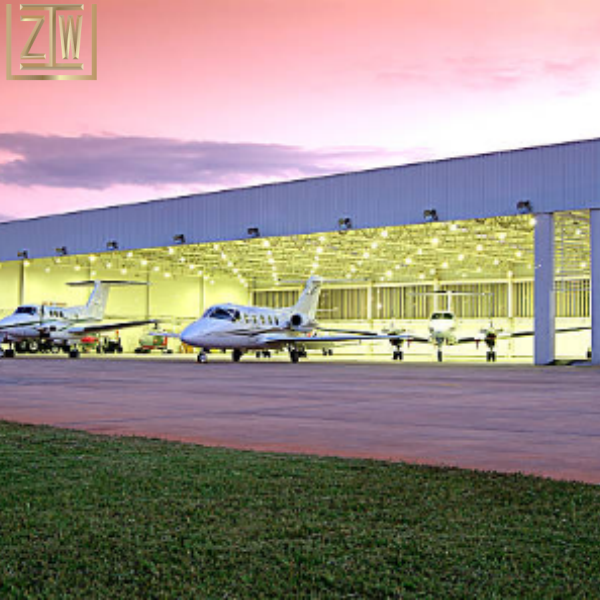
Why Recycled Steel Is the Preferred Structural Material for Modern Hangars
Strength, durability, and fire resistance: meeting aviation-grade hangar requirements
When building modern hangars, recycled steel stands out for its rock solid structural integrity. The material combines impressive strength while being relatively lightweight, plus it handles fire situations better than most alternatives. Hangar designers love how steel can create those massive open spaces without columns getting in the way. Some structures have clear spans over 200 feet, which gives plenty of room for planes to move around during maintenance work or when storing equipment. This matters a lot because nobody wants obstacles blocking access to expensive machinery. Steel really shines compared to concrete or wood when things get hot. During aviation fuel fires, concrete cracks and timber burns, but steel keeps holding up under intense heat. That's why many airports specify recycled structural steel that meets ASTM E119 standards for fire resistance. These materials can hold their shape for over two hours in a blaze, giving workers time to evacuate and protect valuable assets. Plus, with special coatings and alloy mixes, the steel doesn't rust easily even near saltwater environments. Coastal hangars built with this stuff typically need less maintenance over decades of operation, and they keep performing reliably year after year.
Lifecycle advantage: 100% recyclability without performance degradation
What makes recycled steel so sustainable? Its ability to be reused again and again without losing any of its strength or flexibility. Every time it gets recycled, it keeps all its tensile strength and ductility intact, but needs only about a quarter of the energy required to make brand new steel from scratch. The numbers tell the story too - somewhere around 80 million tons get recycled each year across America according to the Steel Recycling Institute. Think about those big hangar buildings standing around airports or industrial sites. They're not just sitting there collecting dust at the end of their useful life either. When these structures reach the end of their service period, nearly all of the parts can actually be taken apart and turned back into high quality construction steel. This whole recycling process cuts down on carbon emissions by roughly half to three quarters when compared with traditional building methods. And here's the kicker: we still get the same top notch performance standards needed for aviation applications, all while our infrastructure continues growing without constantly draining natural resources.
Innovative Recycled and Low-Carbon Materials for Hangar Envelopes and Cladding
High-Performance Recycled Aluminum and Bamboo Composite Panels
Aluminum-bamboo composite panels offer something special in construction materials today. These panels blend aerospace level strength with serious environmental benefits. Made from at least 85% recycled aluminum mixed with fast growing bamboo fibers, they weigh about half what structural steel does. This makes them much easier to install on site and cuts down heavily on the need for expensive cranes during construction projects. They pass all those tough tests for wind loads and impacts as specified by ASTM E330 and E1886 standards. Plus these panels stay stable even when temperatures swing between minus 40 degrees Celsius and a scorching 120 degrees Celsius. What really stands out though is their green credentials. Producing recycled aluminum creates only 0.8 metric tons of CO2 per ton according to International Aluminium Institute research from 2023. That's a massive 95% reduction compared to making new aluminum from scratch. And don't forget the bamboo component either. Bamboo actually soaks up around 70% more carbon dioxide from the atmosphere per hectare than regular old mature forests do. So what we get here isn't just durable building material but something that actually helps heal our planet while standing up against whatever nature throws at it.
Carbon-Negative Facade Systems
The latest generation of building facades isn't just about reducing carbon footprints anymore. These innovative systems actually pull CO₂ right out of the air we breathe. Take mycelium reinforced panels for instance. They basically grow their own structure from leftover agricultural waste, trapping carbon within them throughout the entire lifespan of whatever building they're part of. Then there are resin systems made with old textiles and wood pulp scraps that keep absorbing carbon thanks to special chemical processes built into their design. When compared to regular cladding materials that typically release around 800 kg of CO₂ equivalents per square meter, these new materials actually take away 120 kg of CO₂ equivalents per square meter over three decades according to independent environmental assessments. Plus, all these materials pass strict fire safety regulations and will break down completely when their useful life ends. Imagine what happens when someone installs these systems on a large hangar covering 10,000 square meters. The carbon reduction effect would be similar to taking 350 cars off our roads every single year according to recent EPA calculations. Suddenly those big airport buildings aren't just bad for the environment anymore but instead become real carbon capture solutions.
Quantifying the Sustainability Impact: Embodied Carbon and Lifecycle Benefits of Recycled-Material Hangars
When it comes to green building practices, hangars made from recycled materials really stand out when we look at their carbon footprint throughout the entire lifecycle. This includes all the CO2 emissions from digging up raw materials right through to actual construction. When builders substitute new steel and aluminum with properly certified recycled versions, they can slash these carbon emissions by around half to three quarters for steel, and even more than 80% for aluminum. Why? Because there's no need for those energy hungry processes like mining, processing ores, or primary smelting anymore. Take a standard hangar covering about 15,000 square meters as an example. If it's constructed using over 90% recycled steel and aluminum, it keeps between 300 and 500 metric tons of CO2 out of the atmosphere. To put that into perspective, this is roughly what happens when 65 to 110 regular cars stop being driven for an entire year according to recent EPA data from 2023.
Lifecycle benefits compound these initial gains:
- Infinite recyclability: Steel and aluminum retain full structural integrity across unlimited recycling loops, eliminating landfill disposal
- Operational synergy: High-performance recycled cladding improves building envelope thermal resistance, cutting HVAC energy demand by 15–25%
- Deconstruction value: Modular connections and standardized components enable >90% material recovery—turning end-of-life deconstruction into a revenue-generating circular-economy activity
These results aren't just ideas on paper. When developers use recycled materials that have been verified through Environmental Product Declarations, they actually hit the sustainability targets set by organizations like the FAA and ICAO. Plus, this approach helps them stay ahead of stricter carbon rules coming down the pipeline, such as the EU's Carbon Border Adjustment Mechanism and new federal requirements in the United States. Looking at it another way, hangars built with recycled materials bring together several important factors. Aviation safety standards still apply, operations run smoother, and there's genuine care for the planet woven right into the design. This isn't just alignment between different goals it's real integration that creates something durable and adaptable for what comes next.
FAQ
Why is recycled steel preferred for constructing hangars?
Recycled steel is preferred due to its impressive strength, fire resistance, and ability to create large open spaces without columns. It remains structurally stable even under intense heat, which is crucial for aviation safety.
How does recycled steel contribute to sustainability?
Recycled steel is 100% recyclable without losing its strength. Using it saves energy compared to producing new steel, reducing carbon emissions significantly.
What are aluminum-bamboo composite panels?
These are high-performance panels made from recycled aluminum and bamboo fibers, offering strength, environmental benefits, and reduced installation weight.
How do carbon-negative facade systems work?
These systems absorb CO2 from the air through innovative materials like mycelium panels and special resin systems, providing environmental benefits throughout their lifecycle.
What benefits do recycled-material hangars offer?
Recycled-material hangars reduce carbon emissions, offer lifecycle benefits like recyclability and deconstruction value, and help meet sustainability targets.