EN
EN

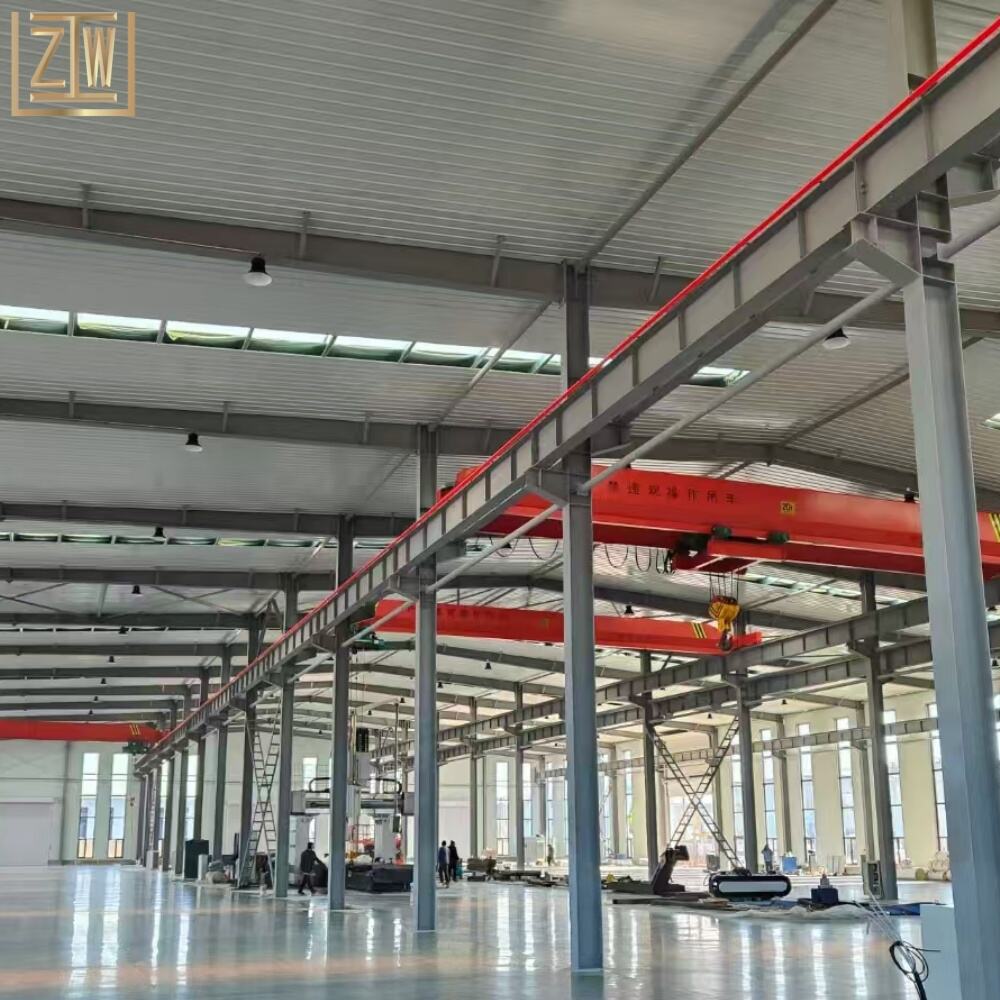
Why Standard Logistics Fail in Prefabricated Warehouse Projects
Standard logistics models clash fundamentally with the demands of prefabricated warehouse construction, primarily due to incompatible workflows and site limitations.
Mismatch Between Linear Construction Schedules and Modular Delivery Timings
Traditional approaches rely on sequential, site-dependent tasks—such as foundation curing before steel erection—while prefabrication demands tightly synchronized component deliveries aligned with assembly phases. This misalignment creates critical bottlenecks:
- Modules arrive faster than foundations are ready — Site congestion
- Weather pauses conventional workflows but not off-site fabrication — Inventory pileup
Industry data indicates 60%+ of prefabricated warehouse projects face delays from this disconnect, as linear scheduling lacks the flexibility to accommodate accelerated, factory-driven workflows.
Spatial Constraints and Just-in-Time Pressure on Prefabricated Warehouse Sites
Prefabricated warehouse sites typically operate with 40–60% less staging space than conventional builds, yet require precise material sequencing to support just-in-time delivery. This intensifies spatial pressure:
- Crane access zones shrink as modules accumulate
- Material flow paths become obstructed by unplaced components
- Buffer stock areas vanish, amplifying risk from transport delays
Without dedicated logistics buffers—even small ones—projects suffer costly work stoppages when a single shipment falls behind schedule.
Core Logistics Integration Strategies for Prefabricated Warehouses
Synchronizing Off-Site Fabrication with On-Site Assembly via Digital Sequencing
Getting logistics right for prefabricated warehouses means making sure manufacturing plants and construction sites are properly synced up. These days, many companies use digital sequencing software based on BIM technology to coordinate when parts get made versus when they need to be assembled at the site. When crews run simulations of how everything goes together ahead of time, they can spot problems between different components such as walls, roofs, and those tricky support beams long before anything leaves the factory floor. Think of it like practicing an orchestra performance before the actual concert starts. The tiny details matter a lot too, especially around cranes moving heavy loads where measurements need to be spot on down to less than 10 millimeters. Most smart systems now live in the cloud and will automatically tweak production schedules if bad weather hits or materials aren't available when expected. This keeps things flowing smoothly without ending up with mountains of extra stuff sitting around construction sites taking up precious space nobody really wants to deal with.
Optimizing Staging, Crane Zones, and Material Flow Paths in Prefabricated Warehouse Layouts
Getting logistics right in prefabricated warehouses starts with good space planning that works with just-in-time delivery schedules. Crane operation areas need to sit where they can reach what needs lifting without getting in the way of moving materials around the site. When dealing with modular parts, staging areas should be set up based on when things get installed. Usually this means putting structural frames first, then cladding and those mechanical, electrical and plumbing systems later. Studies show warehouses using diagonal cross docking instead of straight line setups cut down on internal transportation needs by about 35%. That comes from actual research published in construction journals. Leaving buffer spaces near where things get assembled helps avoid traffic jams when different trades are working at the same time. Materials tracked with RFID tags move along specific routes that have been tested in digital models of the warehouse, which cuts down accidents from people handling stuff manually. Real time tracking systems make everything visible, so anyone can spot when materials go off course from their planned path almost immediately.
Technology Enablers: BIM, IoT, and Cloud Platforms for Prefabricated Warehouse Logistics
Digital Twin—Driven Coordination of Fabrication, Transport, and Erection
Digital twin technology connects what's happening at manufacturing plants with actual construction sites through building information modeling paired with real-time data from sensors all over the place - factories, trucks carrying parts, even the heavy machinery on site itself. When something doesn't quite fit together in the virtual model, workers catch these problems long before any physical components ever arrive at the job site. The system also helps figure out where cranes need to be positioned each day based on those latest scans of the worksite. Industry reports suggest that this kind of coordination cuts down on mistakes needing correction later on by around 30 percent. Tracking every part's journey through the supply chain becomes much easier too, which means fewer headaches when shipments don't match up with what's actually needed on site at any given moment.
Cloud-Based WMS and Real-Time Visibility Across the Prefabricated Warehouse Supply Chain
Cloud based systems now handle material tracking across entire supply chains, right from production floors all the way down to construction sites. Internet of Things devices continuously send live data to warehouse management software that keeps tabs on modular components stored throughout facilities. Warehouse staff can check where parts are located at any given moment through easy to navigate dashboards, along with seeing results from recent quality inspections and whether items are ready for installation. When trucks carrying materials start going off course, automated notifications pop up immediately, helping companies reduce their safety stock levels by around 22 percent while still delivering goods exactly when needed. Project managers stay connected to field operations through smartphone apps, adjusting staging plans whenever unexpected changes happen on site. This kind of visibility makes a huge difference in avoiding delays during prefabricated warehouse construction projects.
FAQ
What causes delays in prefabricated warehouse projects?
Delays often result from the mismatch between traditional linear construction schedules and synchronized modular deliveries required for prefabrication. Spatial constraints and a lack of logistics buffers can also contribute.
How can digital sequencing improve prefabricated warehouse logistics?
Digital sequencing helps synchronize off-site fabrication with on-site assembly, ensuring components are delivered and assembled in alignment with project phases.
What technologies assist in managing prefabricated warehouse logistics?
BIM, IoT, and cloud platforms enable better coordination and real-time visibility across warehouse supply chains.
Why is material tracking crucial for prefabricated warehouses?
Material tracking is crucial because it ensures that modular components are delivered as needed, reducing the risk of inventory pileups and logistics bottlenecks.