EN
EN

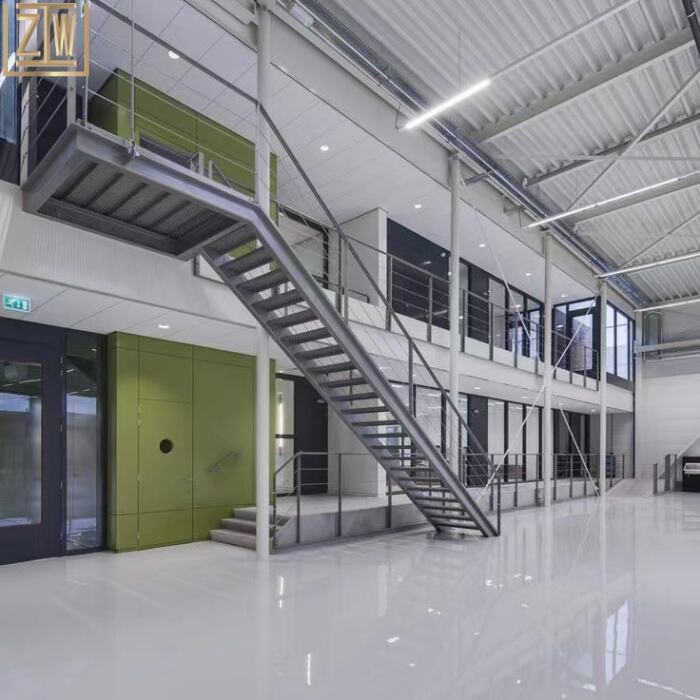
Structural and Layout Customization for Process Efficiency
Modular floor plans optimized for production flow and logistics
Prefabricated workshops use modular floor plans to eliminate bottlenecks and cut material handling distances. U-shaped or cellular layouts establish continuous workflow patterns—reducing operator movement by 30% and accelerating throughput. These designs feature:
- Workstation placement aligned precisely with process sequences
- Dedicated intake and dispatch zones for raw materials and finished goods
- Adjustable internal partitions that adapt space as production needs evolve
By shortening travel paths between stages, facilities achieve 15–20% faster cycle times without expanding footprint—especially valuable in high-mix environments requiring frequent changeovers.
Pre-engineered steel frameworks supporting heavy equipment and process loads
Industrial-grade pre-engineered steel frameworks serve as the structural foundation for customized prefabricated workshops, engineered to support concentrated loads exceeding 500 PSI. Key features include:
- Reinforced column bases and moment-resisting connections for overhead crane operations
- Customizable bay widths—up to 300 ft clearspan—to house oversized machinery
- Vibration-dampening design that preserves alignment tolerances under dynamic loads
The strength-to-weight efficiency of structural steel enables 40% faster erection than conventional construction while delivering certified load capacity for CNC mills, hydraulic presses, and multi-ton assembly fixtures. This integrity is essential for vibration-intensive processes such as metal stamping and composite curing.
Environmental Control Systems for Process-Sensitive Operations
Precision insulation, HVAC, and air quality systems in prefabricated workshop designs
Today's prefabricated workshops come equipped with environmental controls specifically designed for manufacturing processes sensitive to temperature and humidity fluctuations. The insulation in these facilities keeps things pretty stable temperature-wise, usually staying within about plus or minus 1 degree Celsius. That kind of control is really important when making pharmaceutical products or assembling delicate electronic components. These workshops also feature modular HVAC systems that let different sections have their own climate settings. Alongside this, HEPA filters and positive pressure setups work together to keep dust and other airborne particles down to around ten thousand per cubic meter. All these features combined help stop problems like condensation forming on equipment, materials breaking down over time, and those frustrating losses in product yield caused by too much moisture in the air.
Cleanroom-grade enclosures and modular environments for contamination-critical processes
In sterile environments, prefabricated workshop setups actually hit those ISO Class 5 through 8 cleanroom requirements thanks to their seamless modular design. The walls are made from antimicrobial materials that don't absorb anything, which really cuts down on contamination problems for places working with biotech stuff or doing precision machining work. These workshops come with special interlocking gaskets that keep different areas properly sealed off from each other. Plus there's this continuous laminar airflow system running throughout that basically sweeps away any floating particles before they can settle anywhere. Monitoring equipment is built right into these spaces so operators get constant updates on how many particles are floating around in the air at all times. This matters because certain processes need air quality below 1 colony forming unit per cubic foot. Another big plus is the modular nature of these workshops. When regulations change or new cleaning protocols come along, companies can just rearrange things without having to tear down walls or do expensive structural changes. Most manufacturers find this flexibility extremely valuable when dealing with ever changing industry standards.
Integrated Industrial Infrastructure in Prefabricated Workshop Builds
Prefabricated workshop buildings now come with all the essential infrastructure built right in at the factory so they're basically ready to go when delivered. The steel frames can handle serious weight from big machines and create open spaces over 30 meters wide without needing columns everywhere. What makes these workshops really stand out is how everything from power lines to air supply pipes gets installed inside walls and floors before shipping. This cuts down the time workers spend setting up utilities on site by about two thirds compared to regular construction methods. Most manufacturers also include pre-made service paths in ceilings and walls that make it easy to upgrade later with automated systems or install special ventilation as needed. Building components off site means wasting around 15% less materials overall, plus better insulation helps cut energy bills in the long run. These factors combine to create workplaces that run smoother day to day while being kinder to the environment too.
Real-World Validation: Prefabricated Workshop Projects with Specialized Functionality
Brewery production wing: Sanitary finishes, sloped flooring, and integrated drainage
Brewery prefabs typically feature food grade epoxy coatings along with stainless steel cladding for those all important hygienic surfaces that meet FDA requirements in areas where fermentation takes place. The floors slope at around 1 to 2 percent which helps channel any spilled liquids right into the built in trench drains. This not only keeps things clean according to sanitation rules but also makes walking around much safer. Cleaning crews report about a third less work when dealing with these modular setups versus traditional builds. What's really clever is how they've managed to embed cooling systems straight into the structural panels themselves. This maintains that crucial temperature range of roughly 45 to 55 degrees Fahrenheit needed for proper ale fermentation, yet still allows brewers plenty of freedom in how they arrange their space.
Aircraft hangar module: High-bay clearances, composite doors, and structural uplift resistance
The aviation maintenance modules tackle those special engineering challenges by being built specifically for what they need to do. These structures have clear spans over 80 feet so they can fit entire aircraft wings inside them comfortably. The eaves sit at around 28 feet high which makes it possible to reach and work on vertical stabilizers without any issues. For doorways, we're talking about laminated composite panels that hold up against winds blowing harder than 150 miles per hour while still keeping things insulated with an R-16 rating. That kind of insulation is really important when working on sensitive electronic components inside planes. When it comes to staying secure during storms, the uplift resistance anchors are rated at 120 pounds per square foot, going well beyond what FEMA's P-361 standards require. Putting all this together means getting these facilities operational in only 90 days instead of waiting 14 months or more for regular hangars to be constructed. This dramatic reduction in setup time helps maintenance organizations expand their capabilities much faster than before.
FAQ
What is the main benefit of modular floor plans in prefabricated workshops?
Modular floor plans in prefabricated workshops enhance production efficiency by eliminating bottlenecks and reducing material handling distances, leading to faster cycle times and continuous workflow patterns without expanding the physical footprint.
How do environmental control systems benefit prefabricated workshops?
Environmental control systems in prefabricated workshops ensure stable temperature and humidity levels, reducing moisture and airborne particles with specialized insulation, modular HVAC, and air quality controls, which protect sensitive manufacturing processes and improve product yields.
What are the advantages of prefabricated workshop buildings?
Prefabricated workshop buildings come equipped with integrated industrial infrastructure and offsite built components, reducing material waste and setup time, while providing easy upgrade paths and enhanced energy efficiency through smart designs.