EN
EN

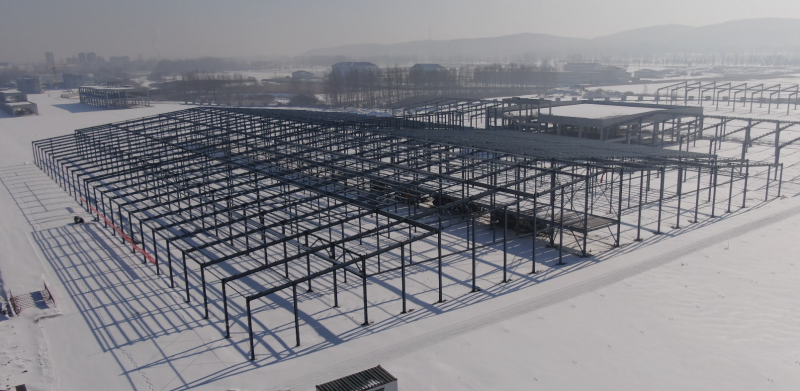
Design Foundations: How Prefabricated Workshop Architecture Enables (or Limits) Relocation
Modular Engineering: Bolted Connections, Standardized Dimensions, and Lightweight Steel Framing
The mobility factor of prefabricated workshops comes down to three main design aspects: bolt together connections, standard sized panels, and light duty steel frames. When components are bolted instead of welded, they can be taken apart without causing damage to the materials themselves. Welded structures on the other hand usually need complete tearing down when moved. Most manufacturers stick to panel sizes around 2.4 meters because this makes everything fit better during transportation and speeds up putting things back together at the new location. Steel frames used in these workshops are actually quite light weight, about 30 to 40 percent lighter than what we'd see with concrete buildings. This means less heavy machinery is needed for moving parts around and overall transportation becomes much more efficient. According to data from the Prefabrication Institute published last year, all these factors combined can slash the time required to dismantle a workshop by roughly 40% compared to conventional building methods. Still worth noting though, some specific design decisions might actually restrict how easily these structures can be relocated later on.
- Multi-story designs often need additional supports that complicate disassembly and transport
- Custom modifications like irregular bay sizes may require cutting, leading to partial destruction
- Panels exceeding 3.5m in width trigger oversized load regulations, increasing transportation costs
Permanent vs. Temporary Intent: Foundation Types and Anchoring Strategies That Determine Mobility
How easy it is to move a workshop around really depends on what kind of foundation gets put down first. Temporary setups like those helical piers or just stacking up some heavy blocks need almost no preparation work at all. Most folks can take these apart completely within about 8 to 12 hours when they need to relocate. But if someone goes for permanent concrete bases instead, expect a major price hit later on. Getting rid of old concrete and building new stuff costs anywhere between fifteen thousand and thirty grand extra for relocation projects. And don't forget about how the way things get anchored matters too. Different attachment methods make all the difference when planning future moves.
| Anchoring Type | Relocation Feasibility | Cost Impact | Time Savings |
|---|---|---|---|
| Gravity Anchors | High | -0% | 65% faster |
| Chemical Adhesive | Low | +45% | None |
| Mechanical Expanders | Medium | +20% | 30% faster |
Structural limitations arise when spans exceed 12m, necessitating permanent lateral bracing that hinders mobility. For projects anticipating 10 or more relocations, using ASTM A36 steel frames with fatigue-rated bolted connections ensures long-term structural reliability.
The Relocation Workflow: Disassembly, Transport, and Reassembly of a Prefabricated Workshop
Step-by-Step Disassembly and Component Labeling for Efficient Reinstallation
Efficient disassembly begins with a detailed inventory map. Non-structural components—lighting, shelving, and electrical fixtures—are removed first, followed by structural elements in reverse assembly order. Each component receives a weather-resistant tag containing:
- A unique alphanumeric ID linked to digital schematics
- Orientation arrows
- Connection point indicators
This labeling system reduces reinstallation errors by 78%, according to modular construction research. Technicians document each phase with photographs to support reassembly. Proper sequencing prevents stress damage and maintains component integrity.
Transport Logistics: Trailer Selection, Route Planning, and Regulatory Compliance for Prefabricated Workshop Modules
Transport success depends on matching trailer type to module specifications. Lowboy trailers suit taller units, while step-deck trailers accommodate wider configurations. Key logistical considerations include:
| Consideration | Impact | Solution |
|---|---|---|
| Weight distribution | Axle overload risk | Load-balancing software analysis |
| Route clearance | Bridge/overpass collisions | 3D mapping of vertical clearances |
| Regulatory compliance | Fines/delays | State-specific permit acquisition |
Route optimization tools account for real-time traffic and road restrictions. All modules must be secured with DOT-approved strapping and vibration-dampening materials. Oversized loads often require pilot vehicles—adding 15–30% to transport costs but ensuring safety and compliance.
Structural Integrity and Site Readiness: Ensuring Safety and Performance After Relocation
Preserving structural integrity during relocation requires strict adherence to transport and reinstatement protocols. Loads must be secured with steel strapping and blocking materials compliant with ASTM D4169 distribution testing standards. Critical safeguards include:
- Real-time tilt sensors to monitor load stability
- Air-ride suspension trailers, which reduce impact forces by up to 68%
- Post-transport inspections to verify bolt torque and structural alignment
At the new site, foundation compatibility is crucial. A 2023 Pie Consulting study found that 42% of foundation failures result from poor site preparation. Essential steps include:
- Conducting soil tests to confirm a minimum bearing capacity of 1,500 psf for steel-framed units
- Aligning anchor bolt patterns with base rail openings
- Installing erosion control berms on sites with slopes over 5%
After installation, engineers should perform non-destructive joint testing and verify levelness within 1/8 inch per 10 feet. These measures ensure the structure continues to meet original wind and snow load requirements.
Cost-Benefit Analysis: When Relocating a Prefabricated Workshop Makes Economic Sense
Relocating a prefabricated workshop is often more economical than new construction, but the decision requires careful financial evaluation. Factory-built structures typically cost 10–20% less initially due to efficient production and reduced labor. However, relocation costs depend on three main factors:
- Distance and logistics: Transport expenses rise sharply beyond 100 miles, potentially reaching 15–30% of the workshop’s original value
- Structural condition: Units needing less than 10% component replacement offer the best return on investment
- Site readiness: A prepared foundation at the destination can cut reinstatement costs by 40%
The economic threshold occurs when relocation costs stay below 60% of new construction. This is typically achievable for workshops under five years old moved within regional distances. Beyond this point, building a new unit often becomes the more cost-effective option.
FAQ
What are the benefits of using prefabricated workshops?
Prefabricated workshops offer mobility, quicker assembly, and cost savings compared to traditional construction methods. They can be dismantled and relocated efficiently, reducing both time and expense.
How do foundation types impact the mobility of prefabricated workshops?
Foundation types greatly affect mobility. Temporary setups like helical piers allow for quick dismantling, whereas permanent concrete bases require substantial efforts and costs to relocate.
What considerations are necessary for transporting prefabricated workshops?
Transport logistics involve selecting appropriate trailers, planning routes, and ensuring regulatory compliance. Proper weight distribution, route clearance, and securing loads are crucial for safe transport.
When is relocating a prefabricated workshop economically viable?
Relocation is economically viable when costs remain below 60% of new construction, typically achievable within regional distances and for structures under five years old in good condition.
Table of Contents
- Design Foundations: How Prefabricated Workshop Architecture Enables (or Limits) Relocation
- The Relocation Workflow: Disassembly, Transport, and Reassembly of a Prefabricated Workshop
- Structural Integrity and Site Readiness: Ensuring Safety and Performance After Relocation
- Cost-Benefit Analysis: When Relocating a Prefabricated Workshop Makes Economic Sense
- FAQ