EN
EN

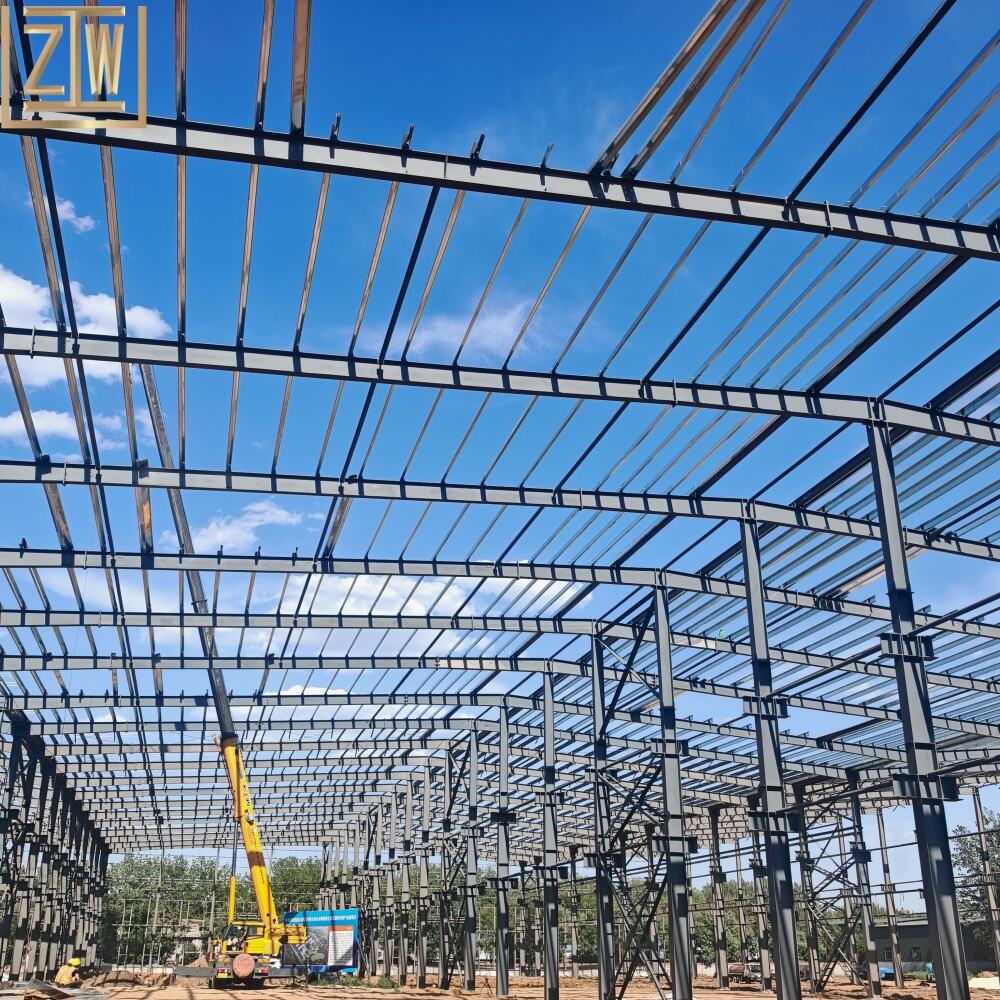
Design for Long-Term Durability in Steel Structure Workshops
Incorporate Climate-Adapted Load Calculations (Wind, Snow, Seismic)
Getting accurate load calculations right is really important when building steel structures that can withstand tough conditions. When designing these workshops, engineers need to consider local environmental factors like how strong the winds get, where snow tends to pile up, and what kind of earthquake risks exist in the area. Take coastal areas for instance, buildings there generally need about 40 percent more strength against wind forces compared to similar structures further inland according to ASCE 7-22 standards. Today's computer software helps simulate different stress situations at once, which means structures stay safe even during bad weather events. At the same time, this approach saves money by using just enough materials without going overboard on safety features that might not be necessary for day to day operations.
Select Corrosion-Resistant Steel Grades Based on Site-Specific Exposure
What materials we choose really affects how long equipment lasts when exposed to corrosion. For places where chemicals are present all the time, stainless steel options like ASTM A312 316L become necessary. Coastal areas tend to work better with those aluminum-zinc coated sheets that meet ASTM A792 standards. Weathering steel according to ASTM A588 can cut down on maintenance needs by about 60 percent in average climate conditions versus regular carbon steel. But this only works if the material is properly matched to local conditions such as salt levels in the air, yearly rainfall amounts, and how close it sits to industrial pollution zones. When looking at long term costs over decades of service, these environmental factors will ultimately decide if hot dip galvanizing makes sense or if some other protective coating system would be worth the investment.
Apply Robust Corrosion Protection for Steel Structure Workshops
Galvanizing vs. Multi-Layer Coating Systems: Performance and Lifecycle Cost Comparison
Hot dip galvanizing creates a really thick layer of zinc that actually protects steel from corrosion even in tough places like near the ocean. Steel structures treated this way can last well over 50 years without much maintenance work, which is great for parts that are hard to reach after installation. On the flip side, those fancy multi layer epoxy polyurethane coatings do resist chemicals better and come in all sorts of colors, but they need to be reapplied somewhere between 15 to 25 years down the road. When looking at what things cost over time, studies indicate that galvanized steel ends up being around 20 to 30 percent cheaper when considering the whole 50 year lifespan, even though it costs more initially. The reason? Galvanized surfaces have these self healing properties that just don't need constant touching up like regular paint does, especially important in damp industrial areas where moisture constantly attacks painted finishes.
Critical Painting Best Practices: Surface Preparation, Primer Compatibility, and ISO 12944 Compliance
Coating longevity depends on rigorous execution—not just product selection. Key requirements include:
- Abrasive blasting to ISO 8501-1 Sa 2.5 (near-white metal) to remove mill scale and contaminants for optimal adhesion;
- Primer compatibility, such as zinc-rich epoxies for steel substrates paired with UV-resistant polyurethane topcoats;
- ISO 12944 compliance, which ties system design to environmental class (e.g., C4 for chemical plants) and mandates minimum dry film thickness (≥240 µm). Non-compliance accounts for 60% of coating failures in industrial applications—primarily due to insufficient thickness or incompatible layering.
Execute Proactive Maintenance to Maximize Steel Structure Workshop Lifespan
Risk-Based Inspection Schedules and Targeted Touch-Up Protocols
Proactive maintenance extends workshop lifespans by 15–20 years—not through frequency alone, but through risk-informed focus. Prioritize inspections at weld joints, fastener points, and areas prone to moisture retention or chemical exposure (e.g., near drains or process lines). Frequency aligns with environmental severity:
| Risk Level | Inspection Frequency | Critical Focus Areas |
|---|---|---|
| High (coastal/industrial) | Quarterly | Welds, coating integrity, fastener corrosion |
| Moderate | Annually | Drainage, structural joints, insulation |
Spotting those little problems before they get out of hand makes all the difference. When rust starts showing through or coatings begin to fail, proper touch up work matters a lot. Start by grinding down to SSPC-SP 10 standards, slap on some good quality zinc rich primer, and finish off with matching top coats that will stick around. Plants that follow this method typically save somewhere between 30 to 40 percent over time compared to waiting until things fall apart completely. Don't just rely on what can be seen with the naked eye either. Throw in some non destructive testing methods like ultrasonic thickness measurements so hidden corrosion issues don't catch everyone off guard later on. Keep track of everything found during inspections and repairs too. Good documentation creates valuable reference points for future maintenance planning and helps maintain structures longer without constant major overhauls.
FAQ
What are the benefits of using corrosion-resistant steel grades in steel structures?
Using corrosion-resistant steel grades helps improve the longevity and durability of steel structures, especially in environments prone to chemical exposure, high humidity, and saltwater conditions. It reduces maintenance costs over time and increases the overall lifespan of the structure.
How does hot dip galvanizing compare to multi-layer coating systems?
Hot dip galvanizing provides a thick zinc layer that protects steel from corrosion and offers a longer maintenance-free period, often exceeding 50 years. Multi-layer coating systems provide chemical resistance and color variety but typically require reapplication every 15 to 25 years. Over a 50-year lifespan, galvanized steel is generally 20-30% cheaper despite higher initial costs.
Why is proactive maintenance important for steel structure workshops?
Proactive maintenance, including regular inspections and targeted touch-ups, extends the lifespan of steel workshops by preventing small issues from escalating into major problems. It optimizes repair costs and minimizes downtime, enhancing the workshop's service life by an additional 15-20 years.
What role do load calculations play in steel structure safety?
Load calculations determine the structural strength needed to withstand local environmental conditions such as wind, snow, and earthquakes. Accurate calculations are crucial for ensuring structure safety and efficiency, helping to prevent overbuilding and unnecessary material use.