EN
EN

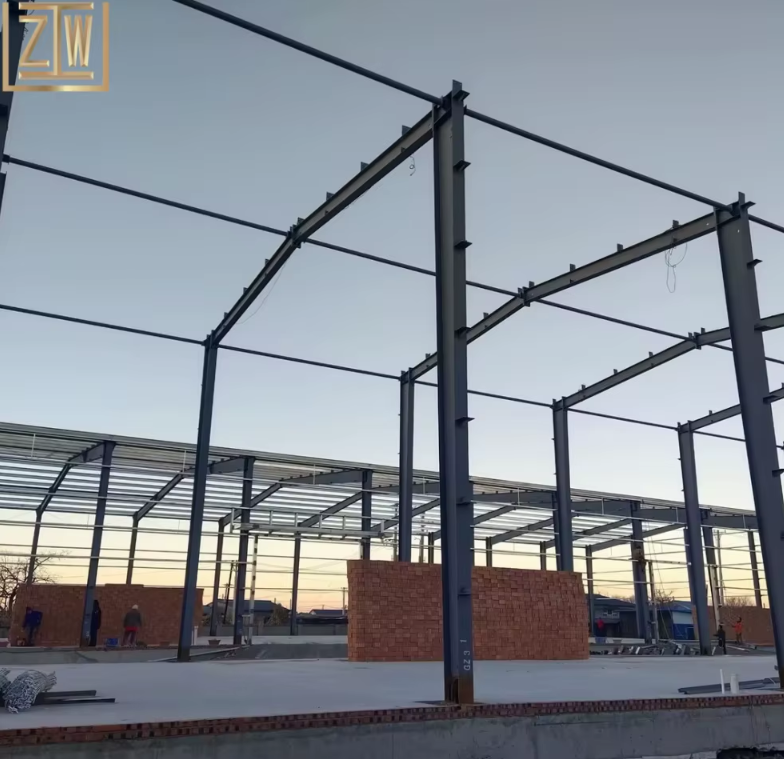
Superior Durability and Weather Resilience
Engineered resistance to hurricanes, heavy snow loads, and seismic events
Steel warehouse structures built off site are made to stand up against harsh environments while meeting ASCE 7-22 requirements for both wind and earthquake resistance. These buildings can handle winds typical of Category 4 hurricanes exceeding 150 miles per hour, support heavy snow accumulation on roofs equivalent to about four feet of wet snow, and incorporate special frames that absorb shaking during earthquakes without weakening the overall structure. Logistics companies operating these facilities in areas prone to severe weather report around 98 percent continued operations after major storms hit, which cuts down on expensive delays when business needs to keep running despite nature's disruptions.
Advanced corrosion protection: Galvanization, metallized coatings, and modular joint sealing
The system's long lasting durability comes from several layers of protection against corrosion. Hot dip galvanization creates a zinc coating that stands up to industrial wear and tear for well over 70 years. Meanwhile, aluminum zinc coatings work differently by acting as sacrificial anodes, cutting down corrosion rates to less than 0.3 mils per year even when exposed to harsh coastal salt spray conditions. One standout feature is the modular joint sealing tech we've developed recently. This stops water from getting into those connection points where traditional warehouse structures tend to fail most often. Combine all this with proper ventilation keeping internal humidity levels under 45%, and what do we get? A system that lasts around 50 years with maintenance expenses staying below 1% annually according to our tests.
Cost-Effectiveness Across the Lifecycle
Steel structure warehouses deliver exceptional financial advantages by compressing upfront investment and extending low-cost operational life—resulting in industry-leading total cost of ownership.
Lower upfront costs via off-site prefabrication, bulk procurement, and reduced labor dependency
Manufacturing components in factories instead of building everything on site can cut down construction costs somewhere around 20 to maybe even 30 percent. When we engineer things precisely in controlled environments away from the actual construction site, plus buy materials in bulk quantities, there's just way less waste involved. No more waiting for bad weather to pass before work can continue, and everyone follows the same quality standards throughout. The modular approach actually needs about 40 percent less man hours compared to pouring concrete foundations and walls. This means projects get finished much quicker which is great news for getting buildings occupied sooner and starting to generate income without compromising safety standards or meeting all those pesky building codes nobody likes but everyone has to follow.
Long-term savings: 40–50-year service life with <1% annual maintenance—validated for steel structure warehouse ROI
Looking at the big picture, the real money savings come from years and years of reliable performance with almost no maintenance needed. Steel frames coated with zinc need very little care after installation, costing about 1% or less each year compared to what they originally cost. Studies done in factories all over North America and Europe back this up. These structures typically last between 40 to 50 years, which means total costs end up being around 60 to 70 percent cheaper than regular buildings. And there's even more benefit when we look at everything together. Insurance rates tend to be lower for these warehouses, plus they work better with energy systems already in place. They also adapt well to different uses over time. All these factors combined make steel warehouses stand out as excellent investments for companies building expensive logistics facilities that need to last for generations.
*Maintenance cost percentages reflect industry benchmarks for properly coated industrial steel buildings
Accelerated Deployment and Construction Efficiency
30–60% Faster Build Time Versus Concrete Alternatives—Minimizing Downtime and Financing Costs
Steel warehouse buildings built using prefabrication methods can slash construction time by about 30 to 60 percent when compared to traditional concrete structures. A standard 100,000 square foot warehouse might be ready for operation within just 4 to 6 months instead of the usual 9 to 12 months needed for conventional construction. There are basically three reasons why this happens so quickly. First, most components get manufactured in factories where quality control is better maintained. Second, while these parts are being made elsewhere, groundwork at the actual building site can already start happening. Third, putting everything together on site is much simpler since it involves bolting pre-made sections rather than complex on-site fabrication, which cuts down labor requirements by around 40%. All these factors lead to lower temporary financing expenses and save money on rentals too, with businesses saving between 18 and 25% during those transition periods. Companies also see their return on investment come in 6 to 8 months earlier than expected. For industries where monthly carrying costs run about $740,000 according to Ponemon Institute data from 2023, getting up and running faster means preserving valuable working capital and generating income sooner without having to compromise on safety standards, regulatory compliance, or how long the building will last.
Optimized Structural Performance for Heavy-Duty Warehousing
Clear-Span Capabilities Maximize Flexibility
Steel structures achieve column-free clear spans exceeding 300 feet—enabling fully adaptable floor plans ideal for automated racking, robotic material handling, and dynamic inventory reconfiguration. This spatial freedom supports higher inventory density, smoother workflow integration, and future-ready scalability—critical for logistics hubs responding to evolving automation and e-commerce fulfillment demands.
Proven Load-Bearing Capacity Ensures Safety
Steel framing engineered for industrial applications can handle floor loads well above 250 pounds per square foot, which meets if not exceeds those AISC standards everyone in the construction biz looks to as gold standard for structural integrity. Facilities need this kind of support when dealing with stacked pallet racks, big machines humming away, and all sorts of packed storage arrangements. Real world testing shows why steel remains king in terms of strength compared to weight, plus it keeps performing consistently even after years of constant wear and tear. That's why so many facility managers specify steel framing when they want peace of mind about safety regulations and knowing their buildings will stand up to whatever gets thrown at them over decades of operation.
Sustainability and Operational Efficiency
Steel warehouses actually combine green thinking with good business sense. Most structural steel can be recovered and recycled when buildings reach their end of life, which helps get LEED points. Prefab methods also cut down construction waste onsite by about 40%. When it comes to energy, these structures perform really well too. Better insulation keeps temperatures stable inside and cuts HVAC needs somewhere between 30% and 50%. Adding those daylighting panels in the right spots reduces reliance on artificial lights by around 80% in many cases. The real kicker? All these eco-friendly features save money again and again throughout the warehouse's lifetime, typically lasting about 50 years. For logistics companies trying to stay competitive while reducing their carbon footprint, this makes sustainability not just responsible but actually profitable in the long run.
FAQs
What makes steel warehouses resist hurricanes and earthquakes?
Steel warehouses are built to meet ASCE 7-22 requirements for wind and earthquake resistance, allowing them to handle Category 4 hurricane winds and seismic events due to special frames that absorb shaking.
How does galvanization protect steel structures?
Galvanization provides a zinc coating to steel, offering over 70 years of protection against industrial wear and reducing corrosion rates significantly, especially in coastal areas.
What cost advantages do steel warehouses offer?
Steel warehouses provide lower upfront costs, a long service life of 40–50 years with less than 1% annual maintenance costs, and generally lower insurance rates, making them economical over time.
How do prefabrication methods speed up construction?
Prefabrication allows components to be manufactured in a controlled setting, reducing on-site labor and construction time by 30–60% compared to traditional methods, also lowering financing costs.
Are steel structures environmentally sustainable?
Yes, steel structures reduce construction waste, have recyclable materials, and incorporate energy-efficient designs, contributing to lower carbon footprints and offering financial savings over their lifetime.