EN
EN

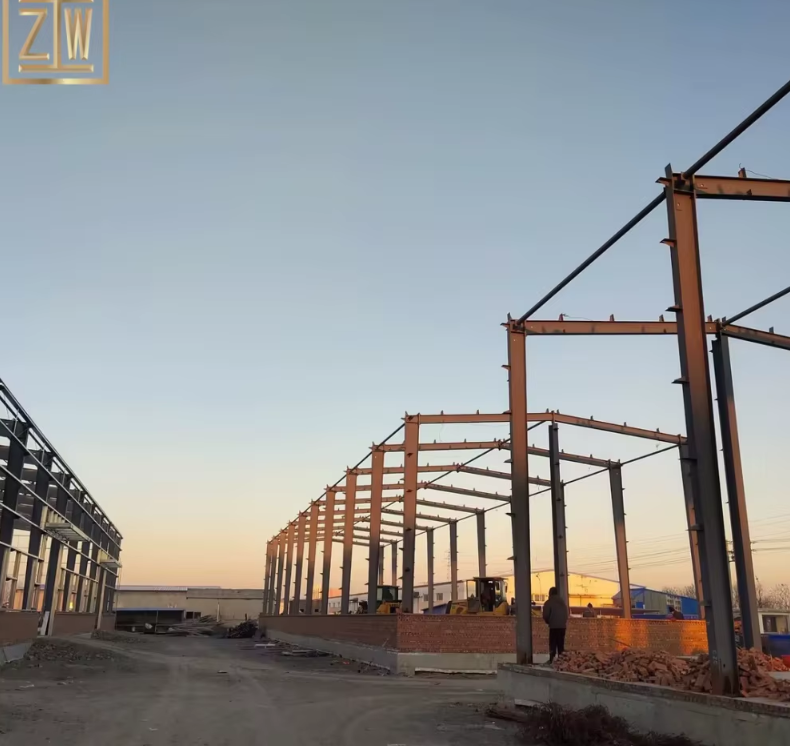
Corrosion Resistance: The Foundation of Steel Structure Warehouse Longevity
The fact that steel tends to rust remains one of the biggest concerns for how long industrial buildings last. Fortunately, modern surface treatments have turned what was once a major weakness into something quite valuable instead. Take hot dip galvanization for instance. When steel gets submerged in molten zinc, it forms a strong bond that actually sacrifices itself to protect the underlying metal first. There are newer options on the market too, such as Galvalume Plus which combines zinc, aluminum and magnesium in a special coating formula. These protective layers do several things at once. They create a physical barrier against moisture, salt air near coastlines, and all sorts of industrial contaminants. What makes them really effective though is their ability to stop rust from spreading when there are cuts or scratches in the material, something that happens surprisingly often in real world conditions.
Galvanization and Advanced Coatings (e.g., Galvalume Plus) for Superior Weather Resistance
Galvanized coatings deliver proven corrosion resistance, but modern alloys offer step-change improvements. Zinc-aluminum-magnesium formulations form denser, self-healing oxide layers that reduce corrosion rates by 50–90% compared to standard galvanization in accelerated salt-fog testing. This translates to real-world resilience:
| Coating Type | Salt Spray Resistance | Typical Lifespan (Industrial Coast) |
|---|---|---|
| Standard Galvanization | 500–1,000 hours | 25–40 years |
| Galvalume Plus | 3,000+ hours | 50–70+ years |
Such technologies enable steel structure warehouse construction in corrosive coastal or chemical-exposure environments where untreated steel would fail within decades. The coating adhesion withstands thermal cycling and UV degradation, ensuring decades of low-maintenance service.
How Robust Corrosion Protection Enables 40–70+ Year Lifespans in Real-World Steel Structure Warehouses
Real world examples back up these claims about lasting performance. Warehouse operators across North America tell similar stories about their galvanized steel buildings still working great after four and a half decades, needing just occasional touch-ups here and there. When looking at what really matters over time, corrosion resistance beats raw strength any day. Steel that's properly protected doesn't suffer from gradual metal loss or failing connections that force early replacements seen with concrete or wood structures. That kind of built-in toughness explains why pre-engineered steel remains the most cost effective option for warehouses expected to last fifty years or more. The numbers support this too: around 80% of well kept steel buildings get reused or retrofitted instead of torn down after thirty years on site.
Structural Integrity Under Dynamic Environmental Loads
Strength-to-Weight Ratio and Engineered Resilience to Snow, Wind, and Seismic Forces
Steel's exceptional strength-to-weight ratio enables engineers to design steel structure warehouses capable of resisting extreme environmental forces with minimal material. Unlike wood or concrete, pre-engineered steel components can be precisely calibrated to handle dynamic loads from:
- Snow accumulation: Calculated roof loads exceeding 40 psf (pounds per square foot) in heavy snowfall regions.
- High winds: Wind uplift ratings above 150 MPH, critical for coastal and hurricane-prone areas.
- Seismic activity: Ductile connections that absorb energy during earthquakes, reducing structural damage.
This resilience stems from steel's predictable behavior under stress, allowing optimized designs that meet or exceed ASCE 7-22 standards. A 2023 analysis by the Structural Engineering Institute showed steel-frame warehouses withstand snow loads 2.8× better than equivalent wood structures.
Case Evidence: Post-Hurricane Performance of Gulf Coast Steel Structure Warehouses
After Hurricane Ian (2022), FEMA documented that steel warehouses on the Gulf Coast exhibited:
- 98% structural survival rate, versus 63% for concrete tilt-up structures.
- 73% lower roof failure incidence, compared to wood-truss buildings.
- Minimal column deflection (≤1.5 inches) despite 130+ MPH gusts.
This performance directly correlates with steel's non-combustible nature and engineered moment-resisting frames, which prevent progressive collapse during extreme wind events. Post-storm inspections consistently confirm that properly anchored steel structure warehouses retain functionality even when nearby structures suffer catastrophic damage.
| Material | Wind Resistance (MPH) | Snow Load Capacity (psf) | Seismic Performance Rating |
|---|---|---|---|
| Structural Steel | 150+ | 40–70+ | High (Ductile) |
| Wood | ≤110 | 20–35 | Medium (Brittle) |
| Concrete Tilt-Up | 120–130 | 30–50 | Low (Rigid) |
| Comparative resilience based on ASTM E2957 test protocols (2024). |
Inherent Resistance to Biological and Chemical Degradation
Immunity to Mold, Rot, Termites, and Pest Infestation—A Key Advantage Over Wood and Concrete
Steel warehouses stand out for their incredible resistance to biological threats because they're made from inorganic materials. Wood buildings rot, get moldy, and attract termites, while concrete tends to grow microbes on its surface and breaks down when chemicals get into it. Steel just doesn't react when wet, bugs try to chew through it, or when exposed to regular industrial stuff. This means warehouse owners don't have to spend money on pesticides, fungicides, or fixing structural problems again and again. Studies indicate that steel frame warehouses stay intact about 72% better than wooden ones after twenty years in service. Since steel isn't bothered by insects boring into it or water causing decay, these structures last much longer than alternatives. Warehouse managers benefit from this durability as operations continue smoothly even in different weather conditions and harsh environments without constant interruptions for repairs.
Design, Material Quality, and Proactive Maintenance as Lifespan Multipliers
ASTM-Compliant Steel Grades and Precision-Engineered Connections Prevent Fatigue and Failure
When builders go with ASTM certified steel grades, they get materials that maintain good tensile strength, decent ductility, and solid corrosion resistance which matters a lot for parts that need to hold weight. The connections between these components matter too. Bolted joints and proper welds spread out the mechanical stress so there aren't any spots where things might break down first. These weak areas are exactly where those tiny cracks start forming over time. Metal fatigue remains one of the main reasons structures fail when subjected to constant movement or repeated loads. Take warehouses as an example. Those facilities that use ASTM A572 Grade 50 steel tend to experience around 40 percent less deformation after years of going through the same loading cycles compared to buildings constructed with materials that don't meet these standards.
Data Insight: Scheduled Maintenance Reduces Structural Defects by 3.2× After 25 Years
Proactive maintenance directly correlates with defect reduction. Industry analyses reveal that warehouses implementing biannual inspections and corrective protocols exhibit 3.2 times fewer structural flaws—such as bolt loosening or coating degradation—after 25 years of service. Key practices include:
- Corrosion barrier reapplication every decade
- Torque verification for critical connections
- Drainage system clearance to prevent moisture buildup
This systematic approach intercepts minor issues before they escalate, extending functional lifespans beyond 50 years—even in demanding coastal installations.
FAQ
What is Galvalume Plus?
Galvalume Plus is a protective coating that combines zinc, aluminum, and magnesium to provide superior weather resistance and corrosion protection for steel structures.
How does steel structure warehouse benefit from corrosion resistance?
Corrosion resistance prevents rust spreading and metal degradation, extending the lifespan of steel warehouses to 40-70+ years.
How does regular maintenance affect the lifespan of steel structure warehouses?
Regular maintenance can reduce structural defects by 3.2×, extending warehouse functionality beyond 50 years.