EN
EN

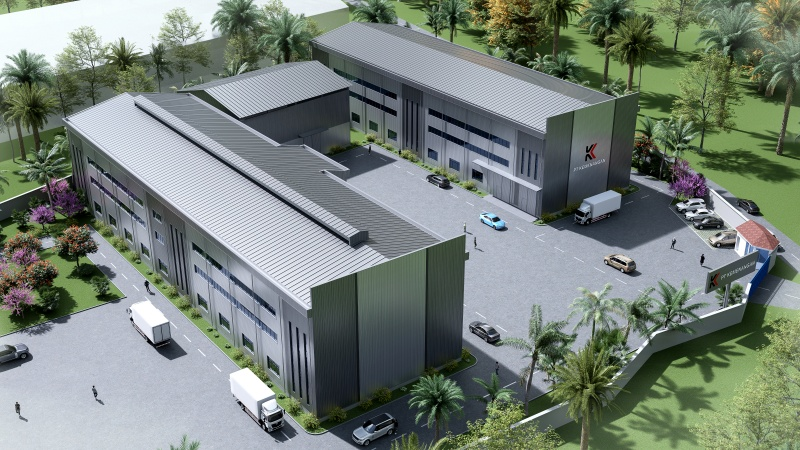
Insulation and Thermal Performance in Prefabricated Workshops
High-Performance Insulation Materials and Strategic Placement
Good insulation begins with materials that have high R-values. Mineral wool and rigid foam boards are what most professionals recommend these days, often providing roof insulation ratings above R-30. How we place this insulation matters just as much though. When installed properly between structural panels and along interior walls, it forms a continuous thermal barrier that stops heat from escaping. Studies show this can cut down heat loss by around 40 percent when compared to buildings without proper insulation. For those working in metal workshops specifically, getting vapor barriers right is essential. They need to be positioned facing inward toward the building's interior so they can manage condensation effectively. This simple step protects against rust formation and prevents the kind of structural damage that builds up over years of neglect.
Understanding U-Values and Compliance with Energy Standards (e.g., ASHRAE 90.1, Part L)
U-values quantify heat loss through building elements—lower values mean better performance. To meet ASHRAE 90.1 and UK Part L requirements, prefabricated workshops target wall U-values below 0.28 W/m²K. This demands:
- At least 150 mm of continuous wall insulation
- Triple-glazed windows (U-value ≤1.2 W/m²K)
- Third-party verification of thermal performance
Non-compliance risks energy cost increases of 25–30%, per 2024 building efficiency benchmarks. These standards reflect real-world operational realities—not just theoretical benchmarks—and serve as essential guardrails for long-term efficiency.
Minimizing Thermal Bridging with Thermal Breaks and Precision Engineering
Thermal bridges—conductive pathways through steel framing or panel joints—can account for over half of total heat loss in metal workshops (ScienceDirect, 2024). Precision engineering mitigates this through three integrated strategies:
| Solution | Implementation | Impact |
|---|---|---|
| Thermal break pads | Isolate steel beams from outer cladding | Reduce bridging by 60–70% |
| Continuous insulation | Seal joints with spray foam | Eliminate air gaps |
| Precision-cut panels | Computer-designed interlocking seams | Minimize conductive pathways |
Together, these reduce overall heat loss by 25.9%, while also curbing moisture accumulation that leads to corrosion and insulation degradation.
Airtightness and Effective Heat Loss Prevention
Achieving Superior Airtightness: Blower Door Testing and Target ACH50 Values
When air leaks go unchecked, they account for roughly 20 to maybe even 30 percent of all energy losses in prefabricated workshop buildings, which really messes with how well insulation works and makes HVAC systems struggle harder than necessary. Builders typically use something called blower door tests to check just how tight a building envelope actually is. These tests measure airflow using Air Changes per Hour at 50 Pascals, known as ACH50. For those aiming for top notch performance like Passive House certification, getting below 0.6 ACH50 becomes essential. Achieving such tightness isn't easy though. Every single penetration needs attention - think around window frames, where roofs meet walls, and wherever pipes or wires enter the structure. Specialized air barrier materials and proper tape application become critical here. The rewards? Buildings that are significantly more efficient. Heating bills can drop by nearly a third, annual expenses shrink overall, and there's far less risk of damp problems creeping in through cracks and gaps. No more dealing with mold issues, wood rotting away behind walls, or people feeling uncomfortable because their space isn't properly sealed against outside elements.
Ventilation Strategies for Balanced Indoor Climate Control
Natural vs. Mechanical Ventilation: Roof/Wall Vents and Air Exchange Optimization
Getting good airflow right in those prefabricated workshop spaces means mixing both passive and active ventilation methods. Think about roof ridge vents paired with wall openings at ground level. These setups take advantage of nature's own system where warm air naturally moves upward through the vents while pulling fresh cool air from below. Works pretty well when the weather isn't too crazy. However things get tricky during heatwaves or when humidity spikes, and then passive systems just aren't enough anymore. Enter energy recovery ventilators, commonly called ERVs. These devices keep air moving consistently no matter what Mother Nature throws at them. They actually grab around 80 percent of the heat from outgoing air and use it to warm up the fresh air coming in. According to standards set by ASHRAE, this tech can slash HVAC energy consumption somewhere between twenty to forty percent. Smart builders combine both approaches though. Let passive vents handle day-to-day needs, but kick in ERVs whenever carbon dioxide builds up, moisture gets too high, or volatile organic compounds start creeping into the space.
Using Ceiling Fans to Manage Thermal Stratification
High bay workshops commonly experience thermal stratification where temperatures can differ vertically by over 10 degrees Fahrenheit. Warm air tends to collect at the ceiling while cooler spots form closer to the ground. Ceiling fans help fix this problem by blending different air layers throughout the space. During hot weather months, better air circulation improves evaporative cooling effects so thermostats can actually run about 4 degrees higher without making people uncomfortable. When it gets cold outside, running these fans on low speed in reverse mode sends warm air back down from the ceiling, cutting heating costs somewhere between 10 to 15 percent. To get good results, look for fans that move around 2000 to 3000 cubic feet of air per minute for every 400 square feet of space. Mount them roughly 8 to 10 feet off the ground and leave about 18 to 24 inches of clearance between the fan blades and the ceiling itself.
HVAC Integration and Zoning for Customized Temperature Management
Mini-Split Systems: Efficient Zoning and Retrofitting in Prefabricated Workshops
Mini split systems provide really good climate control that works well with how different parts of prefabricated workshops function. When we connect separate air handlers to specific areas like where things get assembled, storage spots, or places with machines, it stops wasting energy on cooling or heating spaces nobody cares about. These systems don't need ducts, so they avoid losing around 20 to 30 percent of heat through walls and ceilings like regular HVAC systems do. That makes them about 30 percent more efficient overall. Putting these in doesn't require major construction changes either since all that's needed are tiny holes in walls. They also work great when workshop layouts change over time or when expanding operations later on. The ability to zone different areas meets important requirements too. For instance, keeping temperatures stable where delicate tools operate while separating out hot equipment areas ensures workers stay comfortable without sacrificing productivity, plus saves money on electricity bills month after month.
FAQ
What is the importance of insulation materials' R-values?
High R-value materials facilitate better thermal performance, making them crucial for effective insulation in prefabricated workshops.
How do vapor barriers benefit metal workshops?
Properly placed vapor barriers minimize condensation and prevent rust, maintaining structural integrity over time.
Why is airtightness significant in prefabricated workshops?
Airtightness prevents unregulated air loss, reducing energy costs and improving HVAC efficiency.
What are ERVs, and why are they used in ventilation systems?
Energy recovery ventilators (ERVs) efficiently manage air flows by reclaiming heat from outgoing air, optimizing indoor climate control.
How do mini-split systems improve workshop climate control?
Mini-split systems enable precise zoning of temperature controls, increasing energy efficiency without needing extensive ductwork.