EN
EN

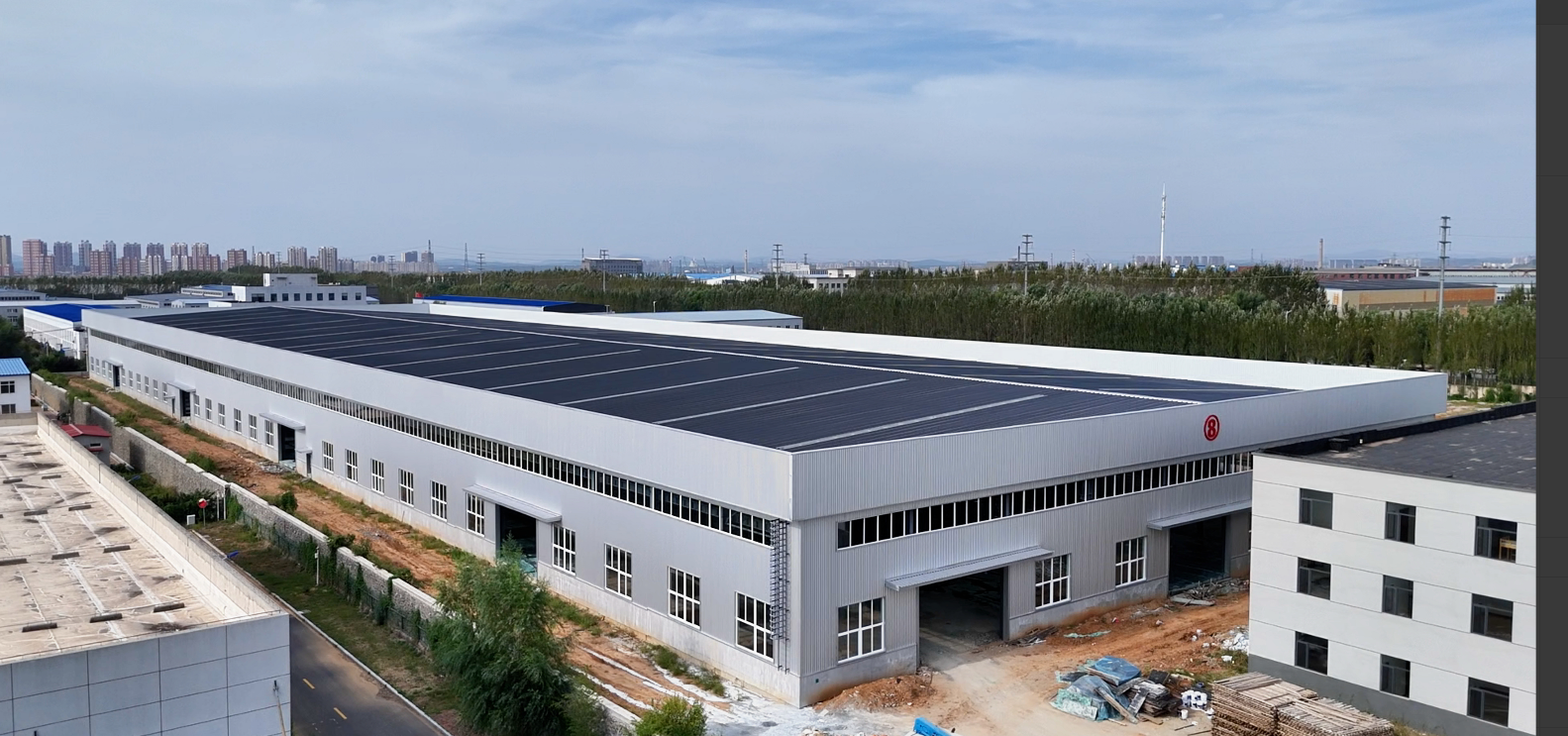
Understanding OSHA and IES Lighting Standards for Prefabricated Workshops
OSHA Lighting Standards for Industrial Facilities and Compliance Requirements
The Occupational Safety and Health Administration has established specific lighting requirements in their 29 CFR 1910 standards to keep workers safe in prefab workshop environments. For general workspace illumination, the rulebook calls for a baseline of around 5 foot-candles. Staircases and walkways get a bit less strict at 2 foot-candles minimum. But when we're talking about spots where people are assembling parts or operating heavy machinery, those numbers jump up to about 10 foot-candles. This extra light makes all the difference in spotting hazards before they become accidents. Failing to meet these guidelines doesn't just mean getting hit with fines from OSHA inspectors. Workplaces that fall short might actually find themselves forced to shut down operations until everything gets fixed. That's why many companies schedule routine checks of their lighting systems throughout the year to stay on the right side of compliance.
IES Lighting Recommendations for Task-Specific Areas in Prefabricated Workshops
The Illuminating Engineering Society (IES) offers practical lighting guidelines based on specific tasks, going beyond what OSHA requires as minimum standards. Take warehouses for example they often work fine with around 20 to 30 footcandles, but when it comes to things like checking product quality, workers need much better visibility, somewhere between 50 and 100 footcandles. What's interesting is how the IES emphasizes reducing glare and eliminating shadow problems by placing lights strategically. This really matters in those modular workshop setups where beams and columns tend to block light evenly across the space, making some areas too bright while others stay dark.
Foot-Candle Requirements for Different Industrial Tasks and Zones
| Activity Zone | Minimum Foot-Candles (OSHA) | Recommended Foot-Candles (IES) |
|---|---|---|
| General Workshop Areas | 5 | 20–30 |
| Machinery/Assembly Stations | 10 | 50–75 |
| Precision Inspection Zones | 20 | 75–100 |
Balancing Regulatory Compliance with Operational Efficiency
LED systems with adaptive controls enable prefabricated workshops to exceed OSHA requirements while cutting energy use by up to 60%. Motion-activated lighting in storage zones maintains compliance during activity and dims when unoccupied, supporting both safety and sustainability. This integrated approach ensures long-term efficiency without compromising regulatory standards.
Designing an Effective Lighting Layout for Prefabricated Workshop Structures
Lighting Design Plans and Photometric Studies for Optimal Coverage
Good lighting plans start with running photometric studies through 3D modeling programs that show how light actually spreads throughout a space. What these simulations reveal helps figure out where to put fixtures so every corner gets proper coverage whether it's over workbenches, around machines, or in those hard to reach storage areas. When we customize the layout based on actual measurements of the workshop floor, we end up meeting both OSHA safety requirements and industry standards from IES. Most factories need somewhere between 20 and 50 foot candles for their daily operations, which is why getting this right matters so much for worker comfort and productivity.
Impact of Ceiling Height and Structural Obstructions on Light Distribution
Workshops with those tall ceilings ranging from 12 to 30 feet really need high bay LED lights that have wide beam angles over 120 degrees if we want to avoid those annoying dark spots everywhere. The problem is structural stuff like support beams and ventilation ducts often get in the way of proper lighting, sometimes cutting down the actual useful light by almost half. Looking at some real world examples, a study done last year looked specifically at steel frame workshop spaces and discovered something interesting. When they angled the lighting fixtures between 15 and 30 degrees instead of straight down, it actually made a big difference in getting around those obstacles while still hitting the required light levels for most tasks. Makes sense when thinking about how light travels through these kinds of environments.
Strategic Fixture Spacing to Eliminate Shadows and Dark Spots
To achieve uniform lighting:
- Space overhead LEDs 8–12 ft apart in grid patterns
- Install task lighting above workstations (≥75 lumens/sq ft)
- Use wall-mounted ambient lights near doorways and corners
This layered strategy minimizes contrast ratios above 3:1, reducing eye strain during precision tasks like welding or assembly.
Modular Plug-and-Play Systems for Flexible Prefabricated Workshop Expansions
Interconnectable LED panels and track lighting support quick reconfiguration during expansions. Magnetic mounting allows tool-free adjustments, aligning with OSHA’s emphasis on adaptable lighting solutions in dynamic industrial environments.
Choosing Energy-Efficient LED Fixtures for High-Bay Prefabricated Workshops
Selecting High-Bay and Task-Specific LED Fixtures Based on Workshop Function
Workshops built off-site really need lighting that matches what they're used for and how they're put together. For those big spaces where the ceiling goes up past 15 feet, high bay LED lights work wonders. They spread light across the whole area and cut down on those annoying dark spots we all hate. When dealing with tight aisles between shelves, linear LED strips make sense because they shine straight down where it matters most. Maintenance bays and inspection areas get a boost from adjustable task lighting that lets workers see exactly what they need to fix or check out. Good planning backed by proper light analysis often means fewer lights overall. Some smart design can knock down the number of fixtures needed by around a quarter to almost a third, all while still hitting the necessary brightness standards for safety and productivity.
Advantages of LED Lighting: Long-Term Energy Savings and Durability
LEDs offer 50–80% energy savings over metal halide systems (DOE 2023) and last 50,000–100,000 hours, reducing maintenance needs by up to 75%. Their solid-state design withstands vibrations and temperature extremes common in modular facilities. A 2023 industrial retrofit analysis showed payback periods under two years due to combined energy and labor savings.
Comparing LED, Fluorescent, and Metal Halide Lighting for Prefabricated Workshops
| Metric | LED | Fluorescent | Metal Halide |
|---|---|---|---|
| Efficiency (lm/W) | 130-160 | 80-100 | 60-80 |
| Lifespan (hours) | 50,000-100,000 | 15,000-30,000 | 6,000-15,000 |
| Startup Time | Instant | 1-2 seconds | 5-15 minutes |
| Maintenance Frequency | Low | Moderate | High |
| Flicker Risk | None | Moderate | High |
LEDs perform reliably in cold environments typical of prefabricated structures, retaining 95% lumen output at -20°C compared to fluorescent lamps, which lose half their brightness. Unlike metal halide systems, LEDs provide immediate full brightness after power interruptions, helping prevent slip/fall incidents by eliminating dark adaptation delays.
Optimizing Light Quality with Color Temperature and CRI
Choosing the right color temperature (Kelvin) to support alertness and focus
Color temperature influences worker alertness and concentration. Cool white lighting (4000–5000K) mimics daylight and enhances focus in active zones like assembly lines and inspection stations. Warmer tones (2700–3000K) are better suited for break rooms, promoting relaxation without sacrificing visibility.
Importance of color rendering index (CRI) for precision inspection tasks
Fixtures with high CRI (80+ or 90+) allow accurate color discrimination, crucial for quality control. A 2024 industrial lighting study found that high-CRI LEDs reduced inspection errors by 18% when assessing material finishes or safety labels, improving product consistency and safety compliance.
Lumen output and brightness benchmarks by activity type and zone
Lumen requirements correspond to OSHA foot-candle standards:
| Workshop Zone | Recommended Lumens | Sample Tasks |
|---|---|---|
| General Assembly | 5,000-10,000 | Equipment operation |
| Precision Machining | 15,000-20,000 | Micro-component assembly |
| Quality Control Stations | 20,000+ | Surface defect identification |
Higher lumen outputs in specialized areas help prevent eye fatigue and maintain compliance with visual task demands.
Improving Safety, Productivity, and Worker Well-Being Through Smart Lighting
How Proper Lighting Enhances Safety, Productivity, and Morale in Prefabricated Workshops
Optimized lighting reduces industrial accidents by 42% (National Safety Council 2023). Glare-free LED systems with 80+ CRI support accurate visual performance, while balanced 4000K lighting improves alertness and cuts eye strain by 23% compared to older metal halide setups (Journal of Occupational Health 2023).
Case Study: Reducing Incidents After LED Retrofit in a Modular Manufacturing Facility
A Midwest auto parts manufacturer saw a 31% drop in OSHA-reportable incidents following a smart LED upgrade with occupancy sensors. The system delivered 120 lm/W efficiency and automated dimming in unused zones, saving $18,000 annually in energy costs while sustaining IES-recommended 50–100 fc levels at precision welding stations.
Psychological Benefits of Flicker-Free, Consistent Illumination for Shift Workers
Circadian-synchronized LED systems that emulate natural daylight reduce shift worker fatigue by 19% (Sleep Health Foundation 2023). Lighting with flicker rates below 3% prevents headaches and supports sustained attention during long shifts.
| Lighting Characteristic | Productivity Impact | Well-Being Benefit |
|---|---|---|
| 4000K Color Temperature | 17% faster assembly times | 22% lower eye strain |
| >80 CRI | 34% fewer quality defects | Improved color perception |
| <1% Flicker | 12% higher focus retention | 29% reduced headache reports |
Integrating Smart Controls: Motion Sensors, Daylight Harvesting, and IoT-Enabled Systems
Wireless mesh networks enable adaptive lighting strategies that respond to occupancy and daylight availability. Machine learning algorithms adjust output based on real-time needs, ensuring OSHA compliance while achieving up to 74% energy savings compared to fixed lighting systems.
Future-Proofing With Sustainable, Low-Maintenance Intelligent Lighting Networks
DALI-2 compatible systems integrate seamlessly with building automation platforms, allowing scalable lighting management during facility expansions. Predictive maintenance powered by power-quality monitoring extends fixture life beyond 150,000 hours and maintains consistent illumination across all work areas.
Frequently Asked Questions
What are the foot-candle requirements for general workshop areas?
The OSHA minimum requirement for general workshop areas is 5 foot-candles, while the IES recommends between 20 and 30 foot-candles.
How can I ensure compliance with OSHA lighting standards?
Regular monitoring and checks of lighting systems can help ensure compliance with OSHA standards, along with strategic placement of lights to eliminate shadows and dark spots.
Why are LED systems recommended for prefabricated workshops?
LED systems are recommended because they offer substantial energy savings and durability. They also provide consistent illumination without flicker, reducing eye strain and fatigue.
What are the benefits of smart lighting in industrial spaces?
Smart lighting helps improve safety, productivity, and worker well-being by optimizing light quality and adapting to occupancy and daylight availability, resulting in energy savings and reduced maintenance costs.
Table of Contents
- Understanding OSHA and IES Lighting Standards for Prefabricated Workshops
- Designing an Effective Lighting Layout for Prefabricated Workshop Structures
- Choosing Energy-Efficient LED Fixtures for High-Bay Prefabricated Workshops
- Optimizing Light Quality with Color Temperature and CRI
-
Improving Safety, Productivity, and Worker Well-Being Through Smart Lighting
- How Proper Lighting Enhances Safety, Productivity, and Morale in Prefabricated Workshops
- Case Study: Reducing Incidents After LED Retrofit in a Modular Manufacturing Facility
- Psychological Benefits of Flicker-Free, Consistent Illumination for Shift Workers
- Integrating Smart Controls: Motion Sensors, Daylight Harvesting, and IoT-Enabled Systems
- Future-Proofing With Sustainable, Low-Maintenance Intelligent Lighting Networks
- Frequently Asked Questions