EN
EN

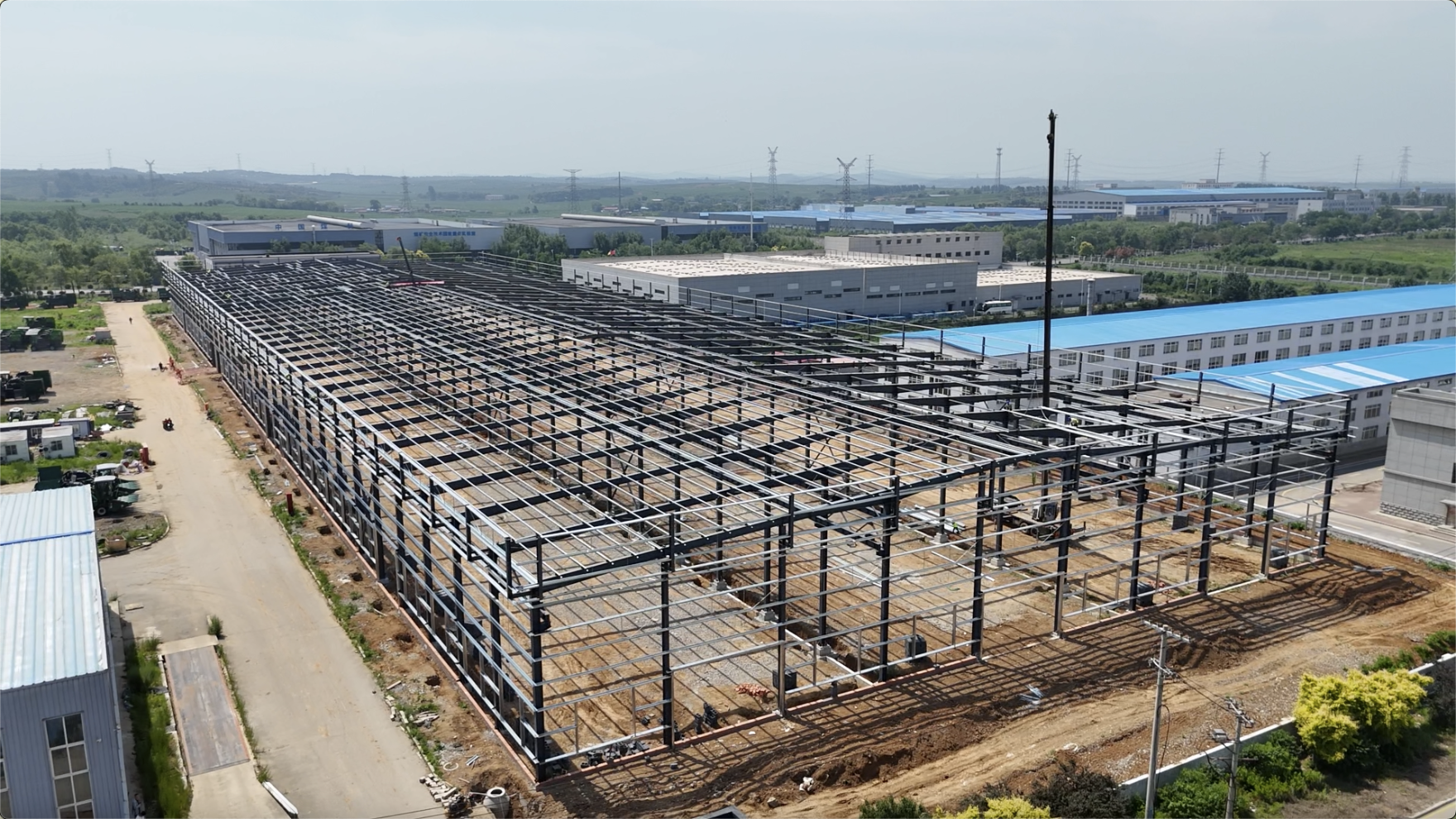
Key Design Advantages of Prefabricated Workshops for Industrial Use
Modular Design and Structural Efficiency of Prefabricated Workshop Buildings
Prefab workshops use modular design concepts to achieve structural efficiencies that just can't be matched by standard building techniques. Steel parts such as I beams and wall sections get made in factories with really tight tolerances around plus or minus 2mm. This allows for much faster setup times too, cutting down on labor costs by about 30 to 40 percent compared to what we see in traditional construction according to the Modular Building Institute from 2023. These structures have self supporting clear span designs which means no need for those annoying interior support columns. The result is open spaces that can stretch across 300 feet wide, making them perfect for places where big machines need room to move around like auto assembly plants or aircraft manufacturing facilities.
Flexibility in Layout and Customization for Diverse Manufacturing Needs
Adaptable column spacing (typically 20–30ft intervals) and relocatable partition walls allow manufacturers to reconfigure production zones within weeks instead of months. Case studies show customized prefabricated workshops achieving 92% space utilization efficiency for mixed-use facilities combining CNC machining, quality control labs, and inventory storage under one roof.
Scalability and Adaptability for Future Expansion of Production Lines
The modular nature of prefabricated metal workshops enables phased expansion without operational downtime. Manufacturers can add parallel production bays or vertical mezzanines with 60% less structural reinforcement than concrete buildings. A 2022 industry survey revealed 78% of industrial firms using prefab designs scaled capacity within 18 months of initial occupancy.
Integration of Prefabricated Metal Workshop Design with Operational Efficiency
Metal panel walls rated at around R-30 insulation cut down heating and cooling expenses quite significantly when compared to older brick buildings. Modern workshops are being designed with several smart features these days. They include spots on the roof where solar panels can be added later, conduits already in place for running wires needed for automated systems, plus floors that absorb vibrations so sensitive machinery works better. When all these elements come together, factories tend to see their return on investment for new production lines happen maybe 15% quicker than before, based on what industry experts have been observing lately in manufacturing efficiency studies.
Production Line Compatibility with Modular Construction Methods
How Modular Construction Enhances Efficiency in Off-Site Manufacturing Facilities
A recent look at industrial engineering data suggests modular construction can cut down production time by as much as 40% when compared with older building techniques. The way it works is pretty clever actually. Foundations get laid out at the actual site while at the same time, those workshop modules are being built elsewhere in controlled factory conditions. Some top construction companies have found that running these processes side by side cuts out all those weather related holdups and saves around 20% in materials going to waste. Take electronics manufacturing for instance where clean rooms need to meet strict ISO standards. Building everything in a factory first means better control over air quality and exact measurements something regular on site work just cant match consistently.
Standardization and Scalability in High-Volume Prefabricated Component Production
Modular design brings built-in repetition that lets factories create consistent wall panels with electrical conduits already in place, overhead crane supports set within 2mm accuracy, and ventilation ducts worked right into the structural columns. Standardizing these components makes scaling production lines much easier for automotive parts makers. They can copy workshop setups from one plant to another without losing much quality control. According to Automotive Manufacturing Solutions report last year, most plants keep around 99.6% consistency when moving operations between locations. Looking at actual case studies from the past few years, manufacturers who switched to prefabricated module systems saw their commissioning mistakes drop by about 31% versus those building everything from scratch on site.
Assembly Line Integration With Prefabricated Workshop Modules
Today's prefabricated workshop designs typically include three key components that make production line setup much smoother. First, there are those column free spans that can stretch up to 40 meters wide, allowing machines to be placed without worrying about support columns getting in the way. Second, many facilities now install precast service trenches complete with removable panels so maintenance crews can easily access wiring and plumbing when needed. And third, adjustable mezzanine systems have become standard these days, especially since they fit right into robotic work cell arrangements. What does all this mean for manufacturers? Well, it cuts down on downtime significantly. Companies can actually rework their entire assembly line configuration within just 72 hours rather than waiting three whole weeks as was common in older workshop setups. This kind of flexibility is becoming increasingly important as manufacturing demands continue to evolve rapidly.
Case Study: Automotive Parts Manufacturing Using Prefabricated Workshop Systems
A European Tier-1 automotive supplier achieved 30% faster production ramp-up by implementing a modular workshop system. The 12,000m² facility featured:
| Metric | Prefab Workshop | Traditional Build | Improvement |
|---|---|---|---|
| Construction Time | 5 months | 9 months | -44% |
| Production Line Accuracy | ±1.5mm | ±5mm | 70% tighter |
| Energy Consumption | 82 kWh/m²/yr | 107 kWh/m²/yr | -23% |
The modular design allowed simultaneous installation of stamping presses and HVAC systems, compressing the commissioning schedule by 19 weeks. Post-occupancy surveys showed 94% operator satisfaction with workflow ergonomics—a 22% increase over their previous conventional facility.
Automation and Robotics in Prefabricated Workshop Production Lines
Role of Automation in Streamlining Prefabricated Construction Workflows
When it comes to prefabricated workshops, automation really steps things up a notch in terms of efficiency. Manual work is so prone to mistakes after all, whereas automated systems just keep doing the same thing over and over with pinpoint accuracy. Take robotic welding and those CNC cutting machines for instance—they can hit tolerances below half a millimeter on metal parts. That kind of precision matters a lot in sectors where even tiny deviations count, think aerospace or car manufacturing. Companies that bring these automated workflows into their operations typically see production times drop somewhere between 30 and 40 percent. And here's the best part: they still get products that look and function consistently well, especially when dealing with large batches of items.
Robotic Arms and Smart Systems in the Manufacturing of Prefabricated Components
Modern robotics are taking on everything from putting together steel beams to installing complex electrical cabinets these days. When six-axis robotic arms work alongside IoT sensors, they can spot quality issues as parts get made instead of waiting until the end when problems are discovered. This early detection saves time and resources. Automated Guided Vehicles or AGVs are changing how materials move around in factory settings too. These smart vehicles cut down on manual labor expenses quite a bit, sometimes reducing them by about half in big manufacturing plants according to industry reports. The actual savings depend on factors like workshop layout and production volume though.
Balancing Human Labor and Automation in Prefabricated Workshop Environments
Automation definitely boosts efficiency, but we still need human know-how when it comes to optimizing designs and dealing with exceptions. The best approach seems to be combining both worlds robots handle those boring repetitive jobs like tightening bolts consistently around 98% of the time, while skilled workers focus on putting together the complicated parts. Looking ahead, most industry reports predict that prefab shops will have about two thirds of their work done automatically by 2028 or so. But people won't disappear from the equation entirely they'll stay busy checking quality and tackling those unique engineering problems that machines just can't figure out yet.
Industry-Specific Applications of Prefabricated Workshops
Aerospace Component Manufacturing in Controlled, Modular Workshop Settings
In aerospace manufacturing, prefabs really shine when tight tolerances matter like those ±0.5 mm specs and keeping things clean enough for ISO Class 8 standards. These workshops typically feature modular walls packed with about 200 mm of PUF insulation that keeps temps stable between 18 and 22 degrees Celsius, which is crucial for curing composites properly. The roof structures are built around steel frames strong enough to handle those heavy duty 5 ton overhead cranes needed during wing assembly work. According to a recent report from the Aviation Manufacturing Association back in 2023, something like eight out of ten top tier aerospace suppliers have switched over to these prefabricated setups for making engine parts. They claim it cuts down on setup time by roughly 40 percent compared to building everything from scratch on site.
Electronics Assembly Lines Benefiting From Flexible Prefabricated Layouts
Prefabricated workshops can be easily reconfigured to meet IPC-A-610H standards when it comes to PCB assembly work. With anti-static epoxy flooring and those modular cleanroom walls, manufacturers are able to change their SMT line setups much faster than traditional facilities. We're talking about getting everything ready in just three days instead of waiting nearly a month as is common elsewhere. The cross ventilation systems in these buildings keep the air quality below 1,000 particles per cubic foot while cutting energy expenses by around 35%. This kind of efficiency matters a lot in semiconductor fabrication, something highlighted in last year's Flexible Manufacturing Spaces industry report.
Heavy Machinery Fabrication Using Durable Prefabricated Metal Workshop Structures
When it comes to making crawler cranes, the floors need to handle around 15 tons per square meter. Prefab workshops with those 300 mm composite slabs actually stand up better to impacts than regular concrete. Tests following ASTM C1550 standards have shown they last nearly twice as long. According to the latest Industrial Construction Report from 2023, these buildings often feature 12 meter clear span trusses which means fewer columns getting in the way during production. This setup lets factories assemble several 80 ton excavators at once without having to move equipment around so much. And let's not forget about ventilation either. With proper airflow rates hitting about 20 changes per hour, welding fumes stay well under the OSHA limit of 5 mg per cubic meter, keeping workers safer throughout their shifts.
FAQ
What are prefabricated workshops?
Prefabricated workshops are industrial buildings constructed using factory-made modules and components, allowing for quicker assembly and scalability compared to traditional construction methods.
How do prefabricated workshops benefit manufacturers?
They offer structural efficiency, reduced construction time, flexibility in layout, and cost savings in labor and materials, making them ideal for diverse manufacturing needs.
Can prefabricated workshops integrate new technologies?
Yes, they can be designed with smart features like solar panel spots, automated system conduits, and vibration-absorbing floors to enhance operational efficiency and technology integration.
Are prefabricated workshops adaptable for expansions?
Yes, their modular nature allows for easy expansion without disrupting operations, facilitating future growth.
What industries use prefabricated workshops?
Industries such as aerospace, automotive, electronics assembly, and heavy machinery fabrication utilize prefabricated workshops for their manufacturing operations due to their efficiency and adaptability.
Table of Contents
- Key Design Advantages of Prefabricated Workshops for Industrial Use
-
Production Line Compatibility with Modular Construction Methods
- How Modular Construction Enhances Efficiency in Off-Site Manufacturing Facilities
- Standardization and Scalability in High-Volume Prefabricated Component Production
- Assembly Line Integration With Prefabricated Workshop Modules
- Case Study: Automotive Parts Manufacturing Using Prefabricated Workshop Systems
- Automation and Robotics in Prefabricated Workshop Production Lines
- Industry-Specific Applications of Prefabricated Workshops