EN
EN

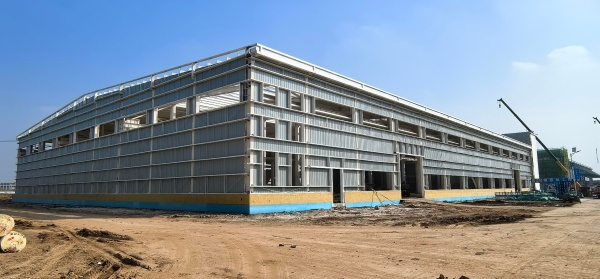
Functional Zoning and Layered Lighting for Prefabricated Workshop Efficiency
Mapping Work Zones to Ambient, Task, and Accent Lighting Needs
Good lighting starts with dividing prefabricated workshops into different areas that each need their own kind of light. The assembly spots need bright lights around 500 to 1000 lux so workers can see what they're doing close up. Storage places just need softer lighting between 200 and 300 lux so people don't trip over boxes. For those narrow machine corridors, we install special lights that cut down on glare and spread light evenly at about a 4 to 1 ratio vertically versus horizontally. That helps spot dangerous areas without blinding anyone. Studies show this kind of lighting setup cuts down eye strain by roughly 32%. Plus, modern LED fixtures let managers tweak brightness levels in specific zones as needed. When shops match the right amount of light to what's happening there, like setting quality control stations to about 750 lux, they save money on electricity and stay within safety regulations at the same time.
Aligning Light Distribution with Modular Layouts and Workflow Patterns
The way lights are placed should follow how materials move through the facility to avoid those pesky shadow traps at important work areas. When installing high bay lights, spacing them about 1.5 times their mounting height apart creates overlapping light cones that pretty much get rid of those annoying dark spots along conveyor belts. In U shaped production setups, special lens designs send around 70 percent of the light directly onto work surfaces while still keeping things evenly lit across the whole area with at least a 0.7 uniformity ratio. Motion sensors have become pretty smart these days too. They can actually detect when people are working in specific zones and turn on the lights just for those areas, which saves about 45% in energy costs compared to leaving all the lights on all the time. Getting this lighting right makes a big difference for workers handling materials day in and day out. Studies from the Journal of Industrial Safety back this up showing around a 19% drop in mistakes caused by poor visibility since implementing such systems.
Visual Comfort, Safety, and Compliance in Prefabricated Workshop Lighting
Getting good visibility right means dealing with glare problems, making sure lights are spread out evenly, and following those OSHA and IES guidelines we all know about. When overhead lights get too bright, workers end up squinting and missing spots where they need to see clearly. That's why many facilities install things like baffles or louvers on their fixtures, or go for indirect lighting solutions instead. The IES recommends keeping light levels within a 0.6 to 0.7 ratio across different areas so nobody gets stuck in shadows next to machines. Welders typically need at least 500 lux according to OSHA rules, but electricians working on fine details often require over 750 lux for safety reasons. Don't forget about surfaces either - using matte finishes cuts down on reflections, and setting up specific lighting zones based on actual tasks helps prevent accidents during production runs.
Glare Control, Uniformity Ratios, and OSHA/IES Lux Standards for Industrial Tasks
Workshop safety hinges on harmonizing three core photometric principles:
- Glare suppression via 25–30° shielding angles in high-bay fixtures, preventing visual interference during equipment operation
- Uniformity calibration exceeding 0.6 across floorplans, verified through point-by-point photometric analysis
- Dynamic compliance with OSHA’s tiered lux benchmarks: 300 lux for storage zones, 500+ for assembly areas, and 1,000 lux for inspection stations
These protocols reduce accident risks by 19% in material handling tasks (National Safety Council, 2023) while ensuring prefabricated structures meet modular safety certifications.
High-Bay Photometric Design Optimized for Prefabricated Workshop Structures
Fixture Spacing, Mounting Height, and Shadow Reduction in Steel-Framed Interiors
Getting the photometrics right matters a lot when setting up high bay lights in those prefab workshops with all those steel frames creating weird light issues. How high we mount these things really affects how far apart they should be spaced. Most places with ceilings below 30 feet work best with about 15 to maybe 20 feet between each LED high bay unit. But if the building goes higher than that, we actually need to cluster them closer together so there aren't dark spots forming around those support columns. Linear style fixtures tend to work wonders in the long rectangular spaces we see in modular workshop designs. Their stretched out light pattern matches up nicely with the structural beams running through the space, which helps keep those annoying shadows from blocking visibility along assembly lines where workers need clear sightlines.
- Position fixtures perpendicular to primary work paths
- Maintain a 1:1.5 height-to-spacing ratio to ensure uniform illuminance
- Use 120°+ beam angles to diffuse light around steel members
Photometric simulations reveal that strategic placement reduces task-area shadows by 40% compared to grid-based layouts, significantly improving visibility for precision tasks like welding or machinery operation. This approach supports compliance with IES-recommended 50–100 footcandle uniformity ratios for industrial environments.
Energy-Efficient and Smart Lighting Integration for Prefabricated Workshops
LED Fixture Selection, IoT Controls, and Daylight Harvesting Strategies
Energy savings begin with switching to those high efficiency LED lights that cut electricity usage around 75% compared to old fashioned bulbs. Plus they last way longer and don't generate nearly as much heat. When we throw in some smart IoT controls, things get even better. These systems automatically adjust lighting based on whether someone is actually there or not, plus follow set schedules so no one wastes power after hours. Facility managers can watch everything from a central dashboard and tweak settings remotely whenever needed. And let's not forget about daylight harvesting tech either. It works by sensing when there's enough natural light coming through windows and then dims the electric lights accordingly. Putting all these together results in annual savings somewhere between 20% to 40% on energy bills. Best part? The lighting stays just right for whatever tasks need doing, so nobody complains about being blinded or struggling to see their work.
FAQ
- What is the ideal lighting level for assembly spaces? Assembly spaces typically require lighting levels between 500 to 1000 lux to ensure workers have sufficient visibility for detailed tasks.
- How can lighting reduce energy costs in a workshop? Utilizing LED fixtures, motion sensors, and daylight harvesting strategies can save between 20% to 40% on energy costs.
- What lighting standards are important for workshop safety? Workshop safety standards include glare suppression, uniformity calibration exceeding a 0.6 ratio, and compliance with OSHA’s lux benchmarks for various zones.
- Why is glare suppression important in workshop environments? Glare suppression helps maintain visual comfort and safety by preventing interference during equipment operation, reducing eye strain among workers.
Table of Contents
- Functional Zoning and Layered Lighting for Prefabricated Workshop Efficiency
- Visual Comfort, Safety, and Compliance in Prefabricated Workshop Lighting
- High-Bay Photometric Design Optimized for Prefabricated Workshop Structures
- Energy-Efficient and Smart Lighting Integration for Prefabricated Workshops