EN
EN

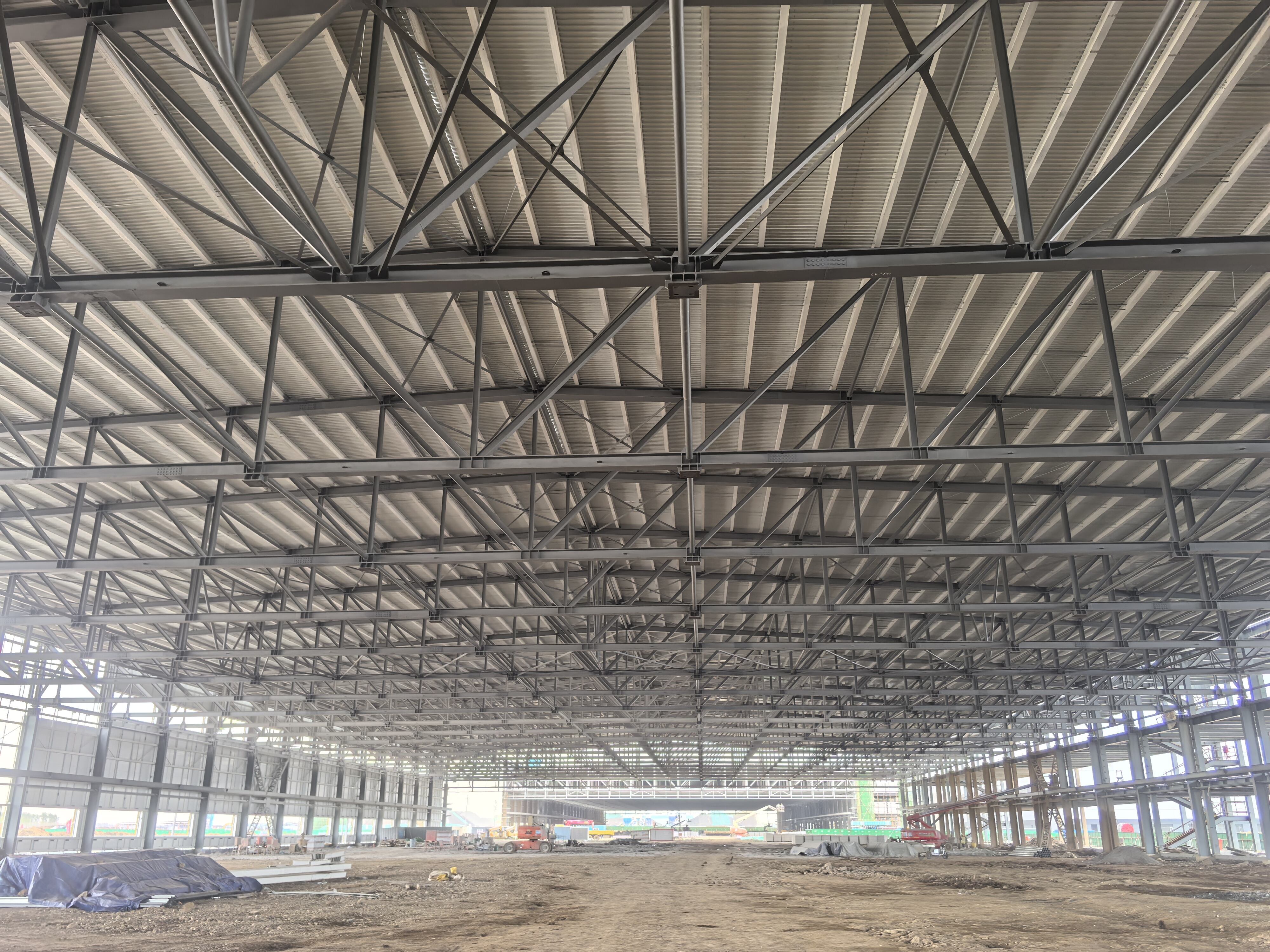
Assessing Hangar-Specific Fire Hazards and Regulatory Requirements
Identifying ignition sources: aviation fuels, hydraulic fluids, and electrical systems
Designing hangars that resist fires begins with getting to know the special ways different materials catch fire. Aviation fuels like Jet A and JP-8, along with hydraulic fluids and all those electrical components around the place, present serious risks. When these substances spill or evaporate, they form dangerous pools or clouds that might light up from something as simple as a short circuit in tools used for maintenance, contact with hot metal parts, or even just static electricity building up. Fuel vapors tend to collect right next to floor drains when planes are being refueled, which is why having good vapor detection systems makes so much sense. Think about this: only one liter of jet fuel spilled on the ground can spread fire over an area twice the size of most garages within moments. That's why hangar designers include things like conductive floors to prevent static buildup, install drip trays beneath airplane engines where leaks happen, and specify certain types of electrical equipment ratings in areas where fuel handling takes place. And let's not forget about welding procedures and regular checks for leaks either. These safety measures aren't optional extras, they're absolutely necessary if we want to keep people safe.
NFPA 409 classifications and how hangar size, aircraft type, and occupancy dictate fire-resistance mandates
The NFPA 409 standard creates a system for aircraft hangars where safety requirements match the level of risk involved. Hangars get divided into four groups depending on their size, how big the planes inside are, and what kind of operations happen there. The biggest hangars, those over 40,000 square feet or with planes taller than 28 feet, need walls and ceilings that can resist fire for two hours plus automatic foam systems to put out flames quickly. Smaller hangars under 12,000 square feet might just need one hour fire protection and manual firefighting equipment instead. What's happening inside matters too. Hangars where mechanics work on planes with lots of fuel need special drainage systems for spilled liquids, vapor barriers to contain fumes, and better air circulation systems. Storage hangars without active maintenance operations have fewer requirements overall. This step-by-step approach makes sure buildings have appropriate fire protection based on real world factors like how much fuel is stored, how many people need to evacuate, and what kinds of dangers exist during normal operations.
Selecting and Specifying Fire-Resistant Hangar Structural Systems
Steel framing with intumescent coatings: performance under ASTM E119 exposure
Steel continues to be the go to material for building hangars because it offers great strength while not being too heavy. When coated with special intumescent materials, steel becomes much more resistant to fire. These coatings can actually expand as much as 50 times their normal size when temperatures reach around 500 degrees Fahrenheit. What happens then is pretty cool - they form a protective char layer that acts like insulation against heat getting through. Testing under standards like ASTM E119 shows that properly installed systems can hold up for about two to three hours even when exposed to extreme temperatures over 1700 degrees F. This gives engineers extra time before the steel gets hot enough to fail completely at around 1100 degrees F. Newer coating formulas stick better during expansion and handle problems like fuel fumes and moisture without breaking down. Independent tests back up how well these coatings work on all sorts of construction joints and complicated shapes needed for big hangar structures.
Comparing fire-rated insulated metal panels (IMPs) and precast concrete for walls and roofs
Selecting wall and roof systems requires balancing fire performance, constructability, and long-term resilience:
| Criteria | Fire-Rated IMPs | Precast Concrete |
|---|---|---|
| Fire Resistance | 1–2 hours (with fire-retardant cores) | 3–4 hours (inherent non-combustibility) |
| Installation Speed | 30–50% faster (panelized system) | Requires curing time and heavy equipment |
| Thermal Efficiency | Superior (continuous insulation) | Moderate (thermal bridging concerns) |
| Weight Impact | Lightweight (reduces foundation costs) | Heavy (requires reinforced foundations) |
| Maintenance | Potential for seam corrosion over time | Minimal (high impact resistance) |
IMPs are fast to install, save energy, and work well with complicated roof shapes which makes them great for quick setup jobs and places that need temperature control. When it comes to long lasting materials, precast concrete stands out for how tough it is and its built-in fire resistance features. This becomes really important in areas where there's a lot of fuel stored nearby or processed on site. Both options meet the requirements of NFPA 409 standard as long as they follow what the manufacturers say and get proper third party approvals. Still, anyone making decisions about these systems needs to look at the bigger picture too. The initial costs versus ongoing safety concerns plus how much downtime can be tolerated during maintenance or repairs all factor into whether one material choice ends up being better than another over time.
Designing Integrated Fire Suppression and Detection for Large-Span Hangars
Deluge systems with ESFR nozzles: coverage, response time, and hangar clearance considerations
Large span hangars present unique challenges because their ceilings can go over 40 feet high, making regular sprinkler systems ineffective. That's where deluge systems equipped with Early Suppression, Fast Response (ESFR) nozzles come into play, offering dependable fire suppression capabilities when needed most. These specialized nozzles are built to tackle tough situations like fires involving aviation fuels. They put out between 100 to 250 gallons per minute of water, responding quickly thanks to their low response index rating of 50 or below. This means less waiting around for water to start working and faster control of flames before they spread throughout the facility.
Key design considerations include:
- Coverage: Each nozzle protects 100–130 sq ft, reducing system complexity and structural load;
- Activation timing: Per NFPA 409 (2022), systems must activate within 15 seconds of fire detection to counter rapid flame spread;
- Clearance: Maintain 18–24 inches between nozzles and the ceiling to ensure unimpeded spray distribution—validated through manufacturer testing.
When doing hydraulic calculations, we need to factor in elevation losses especially in high rise structures so there's enough pressure reaching those nozzles at ground level. Adding volumetric smoke detectors really helps coordinate system responses and gets things going earlier than traditional methods. This matters because once temps hit around 500 degrees Fahrenheit, steel starts to bend and fail structurally. Fire protection folks run validation tests all the time using JP-8 fuel spills as their standard test scenario according to industry guidelines from 2022. These real world simulations show that when everything is set up right, these systems can stop fires about 98 percent of the time.
Ensuring Operational Resilience: Egress, Ventilation, and Post-Fire Recovery in Hangar Design
The safety of people and ongoing operations really hinges on good egress, proper ventilation, and solid recovery plans. When there are plenty of exits that aren't blocked off, clearly labeled according to NFPA 101 standards, folks can get out fast even when visibility is poor during emergencies. The ventilation systems need to work hard at pulling away those dangerous fumes from jet fuel and stuff burned during fires. Otherwise smoke builds up in layers which blocks escape paths and messes with sensitive equipment too. For dealing with water from fire suppression systems, we need drainage setups that keep hydrocarbon contaminated water contained separately. This helps meet environmental regulations and makes it possible to return to normal operations sooner. What materials we choose matters a lot as well. Fire resistant construction materials that hold their shape after being exposed to heat make assessing damage and starting repairs much easier later on. And let's not forget about how buildings are laid out. Good planning means keeping roads wide and free so emergency crews can move around without issues, plus setting aside specific areas where they can stage their equipment. All these things together cut down on how long it takes to respond to incidents and ultimately saves money in fixing everything back up afterwards.
FAQ
What are the main fire hazards in aircraft hangars?
The main fire hazards in aircraft hangars include aviation fuels like Jet A and JP-8, hydraulic fluids, and electrical systems. These substances can create dangerous conditions when spilled or evaporated.
How does hangar size and aircraft type affect fire resistance requirements?
According to NFPA 409, fire resistance requirements depend on hangar size, aircraft type, and occupancy. Larger hangars with bigger planes require more robust fire protection systems, such as fire-resistive walls and automatic foam systems.
What are the benefits of using steel framing with intumescent coatings?
Steel framing coated with intumescent materials provides great strength and significantly enhances fire resistance. These coatings expand to form a protective layer when exposed to high temperatures, providing critical insulation against heat.
What factors should be considered when selecting fire suppression systems for large span hangars?
For large span hangars, factors like nozzle coverage, response time, activation timing, and clearance from the ceiling need consideration. Deluge systems with ESFR nozzles are particularly effective for such needs.
Table of Contents
- Assessing Hangar-Specific Fire Hazards and Regulatory Requirements
- Selecting and Specifying Fire-Resistant Hangar Structural Systems
- Designing Integrated Fire Suppression and Detection for Large-Span Hangars
- Ensuring Operational Resilience: Egress, Ventilation, and Post-Fire Recovery in Hangar Design
- FAQ